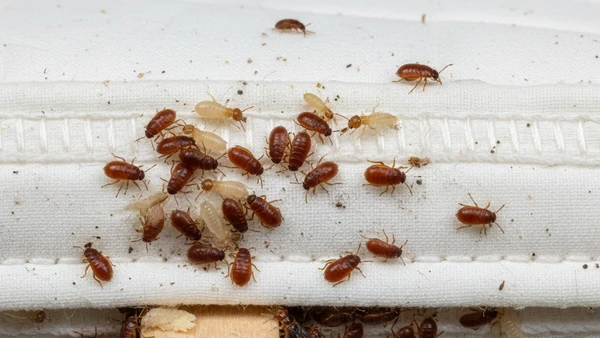
You've probably noticed the pattern. Dry weather — manageable. First rain of the season — ants everywhere. In the kitchen, along the walls, sometimes in places they've never appeared before.
Most people assume the rain is attracting them. It's actually the opposite. The rain is displacing them. And that one difference changes what you need to do about it.
What's actually happening underground
Ant colonies live underground. Tunnels, chambers, the queen somewhere deep in the structure. The whole system is built for dry or moderately damp conditions.
When heavy rain starts, water floods those tunnels from above. The soil saturates. The colony's drainage channels — and yes, ant colonies do have drainage systems — can't handle the volume. The lower chambers start to fill. Eggs, larvae, pupae are at risk of drowning.
The colony responds immediately. Workers carry the brood upward toward drier ground. The colony effectively evacuates. And where do they evacuate to? Somewhere close, dry, warm, and above ground level.
Your home is all of those things.
This is why you see ants appearing suddenly after the first major rain of the season — often within hours of the rain starting. It's not that the rain created a new infestation. The colony was already there, in the soil near your home's foundation, in the compound, under the paving. The rain forced them upward and inward.
The species that cause the most trouble during monsoon
Not all ants respond the same way. The ones that become a real problem during monsoon in Indian homes fall into a few categories.
Pavement ants — small, brown-black, the ones that nest in soil under concrete and paving stones. When the soil under paving floods, they come up through the cracks in the paving and look for entry into the building. These are the ants that appear in trails along the base of external walls right after rain.
Black garden ants — the most common ones in Indian kitchens, already present in most home compounds. Their underground nests flood and they move into wall voids, behind cabinets, and into any dry structure available.
Fire ants are more aggressive about this process. They're better at surviving flooding — fire ant colonies have actually been documented forming living rafts in floodwater, with workers linking bodies together to float as a mass. They don't passively wait to be flooded out. But they still move when conditions become hostile, and an established fire ant colony in your garden compound during monsoon will push foragers aggressively into nearby structures.
Why the kitchen and bathroom take the most traffic
After entering through the foundation or ground-level gaps, ants move toward three things: moisture, warmth, and food.
The kitchen has all three. Post-rain humidity is high everywhere, but the kitchen has condensation, cooking moisture, and accessible food. Ants that have been displaced from a flooded outdoor nest and are now inside a wall void will forage toward the kitchen as a priority.
Bathrooms attract them for moisture alone — a consistently damp floor, water around the base of fixtures, the warmth near a hot water pipe. You'll see monsoon ant trails in bathrooms that have nothing obvious to eat. They're there for water, not food.
The pattern most people misread
Here's what tends to happen during monsoon that causes confusion.
The first rain triggers an influx — ants appear in numbers, the trail is large and active. People treat the trail with spray, the visible ants die, and things seem to calm down.
Then the next rain comes. The ants are back, often in the same spots. More spraying. Temporary improvement again.
What's happening is that each rain event either re-floods the outdoor nest and triggers a new wave of evacuation, or new colonies in the soil nearby are encountering the same flooding. The spray treatments are handling each wave in isolation but not addressing where the ants are coming from or blocking how they're getting in.
By mid-monsoon, if the underlying issues haven't been addressed, you can be dealing with a colony or part of a colony that has fully relocated inside the wall structure of your home. At that point the problem has shifted from seasonal flooding response to established interior infestation — and it doesn't go away when the rains stop.
What to do before the rains start
This is worth doing once a year, ideally in May or early June before the first monsoon arrives.
Walk around the outside of your home at ground level with a flashlight and look specifically at the junction where the wall meets the ground. This is where most ant entry happens during monsoon. Cracks in the plaster, gaps where the skirting tile has come away from the wall, the space around any pipe or cable entering through the lower part of the wall — all of these are entry points.
Seal them with exterior-grade silicone sealant or cement mortar. This takes less than an hour for most homes and is the single most effective thing you can do to reduce monsoon ant ingress.
Check the compound drainage while you're at it. Areas that pool water after rain, blocked compound drains, low spots near the foundation — these are where soil floods fastest and where ant colony evacuation happens first. Improving drainage in those areas reduces the flooding pressure that drives ants toward your building.
What to do during the monsoon when they're already inside
Disrupt the trail. Wipe the trail with white vinegar solution — equal parts vinegar and water. This breaks the pheromone signal and disorients the foraging workers. Do this along the full length of the trail you can see, and at the point where it enters from the wall.
Find the entry point and temporarily block it. While you're working on a permanent fix, chalk dust or cinnamon at the gap slows new workers entering. Seal it properly when conditions allow.
Use gel bait near the entry point. This is more effective during monsoon than at other times because the colony is stressed and actively foraging. Workers are more likely to pick up bait quickly. Place it near — not on — the trail, so foragers discover it naturally. Give it a week. A stressed, recently-displaced colony takes bait more readily than an established, comfortable one.
Keep the kitchen dry. During monsoon, condensation and cooking moisture are higher than usual. Wipe down surfaces more frequently, don't leave damp cloths on the counter, dry the sink after use. Reducing available moisture reduces one of the main attractants for displaced ants looking for a new home.
When the season ends but the ants don't leave
If ant activity continues well after the rains stop — October, November, when the monsoon is long gone — the colony has successfully relocated inside the structure. They're no longer coming in from outside because of flooding. They're in the wall.
This is the version that doesn't resolve on its own. The colony has food access, warmth, shelter from the wall void, and no reason to leave. Gel bait can still work if it reaches them, but placement needs to be near the wall void entry points rather than just on the kitchen surface.
A professional treatment at this stage is faster and more reliable — particularly if the colony has spread across multiple wall sections or the nest location isn't clear from the surface trails alone.