So you've got pests. Or maybe you're just curious. Either way, let's talk about what pest control ↗ actually means.
Basically? Getting rid of stuff you don't want in your space. Cockroaches running around at night. Rats making noises in the ceiling. Termites silently eating your furniture. Mosquitoes that won't let you sleep. All of that.
But here's the thing most people miss. It's not just about killing them. That's part of it sure. But real pest control means figuring out why they showed up. What's attracting them. How to stop them from coming back. Otherwise you're just playing whack-a-mole forever.
Why Should You Even Care?
Look, pests aren't just gross to look at. They actually cause real problems.
Your health takes a hit first. Cockroaches? They walk through drains and garbage then crawl on your kitchen counter. Mosquitoes carry dengue - you probably know someone who's had it. Rats spread diseases you don't even want to google. Bed bugs ↗ won't kill you but those itchy bites drive you crazy.
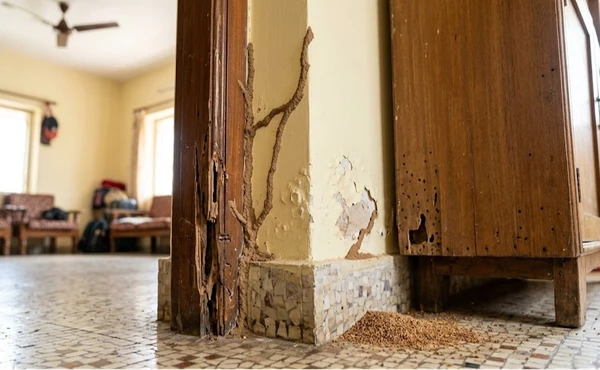
Then there's the money side. Termites can destroy a wooden almirah worth 50k in a few months. You won't even notice until it's too late. Rats chew wires and suddenly your car won't start. Silverfish ruin important documents. Repairs cost way more than prevention would have.
And honestly? The mental stress is real. Can't invite friends over because you're embarrassed. Can't sleep properly. Always on edge. People don't talk about this part but it matters.
What is Pest Control in Housekeeping?
Hotels, hospitals, big offices - they can't afford pest problems. One cockroach in a hotel room? Bad review. Reputation damaged. Customers gone.
Pest control in housekeeping is basically keeping these places pest-free as part of daily operations. Housekeeping staff trained to spot signs early. Droppings near food areas. Weird smells. Damage on fabrics. They catch problems before guests do.
Most good hotels have monthly pest control scheduled. Kitchens get extra attention obviously. Laundry areas too - bed bugs love hiding in linens. Storage rooms checked regularly.
The focus is prevention mostly. Garbage disposed properly. No food lying around. Drains cleaned. Cracks sealed same day they're noticed. Professional pest control guys come regularly but housekeeping does the daily work.
If you manage a hotel or commercial space, you know how important this is. Talk to us about regular maintenance plans.
What is Pest Control in Agriculture?
Different ballgame entirely. Farmers deal with pests on massive scale. We're talking entire fields destroyed overnight. Stored grains ruined. Lakhs of rupees lost.
Pest control in agriculture is about protecting crops and livestock. Methods are different because you can't just spray chemicals everywhere - soil gets damaged, water gets contaminated, and honestly it gets expensive fast.
Common problems farmers face? Locusts - you've seen those swarms on news. Aphids sucking life out of plants. Rats eating stored wheat. Caterpillars destroying vegetables before harvest.
What works in agriculture:
Pesticides obviously. But smart farmers use them carefully. Too much ruins the soil. Wrong timing wastes money. It's not as simple as spraying everything.
Biological control is interesting. Introducing natural predators. Certain wasps eat caterpillars. Ladybugs handle aphids. Takes longer but better for land long-term.
Crop rotation helps too. Planting different things each season. Pests that loved last year's crop can't survive on this year's. Old technique but still works.
Most farmers now use something called IPM - Integrated Pest Management. Basically mixing all methods together. Using chemicals only when really needed. Better results, less damage to environment.
What is Pest Control and How Does It Work?
Okay so how does this actually work when you call someone?
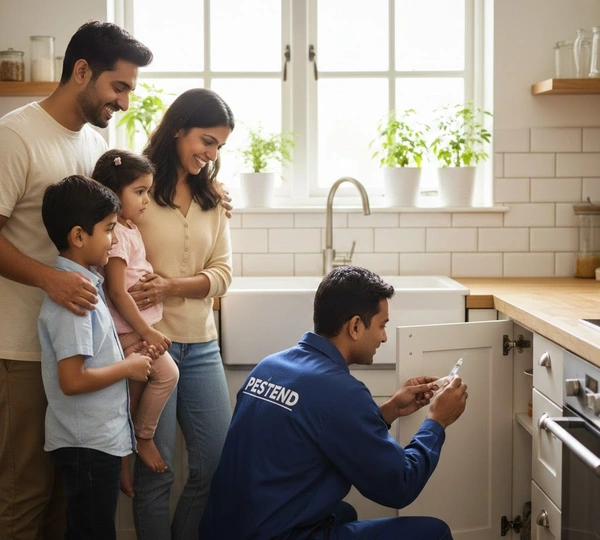
First they inspect. Good companies don't just show up and start spraying. They look around. Where are pests hiding? How bad is it? What type exactly? Because treatment for cockroaches won't work on bed bugs. Different pests need different approaches.
Then identification. This matters more than you'd think. German cockroaches and American cockroaches need different treatments. Dry wood termites vs underground termites - completely different methods. Experts can tell the difference. You probably can't. That's fine, that's why you're hiring them.
Treatment plan comes next. Based on what they found. Which areas need work. What chemicals make sense. How many visits required. They should explain all this before starting. If they don't, ask.
The actual treatment depends on pest type:
Cockroaches usually get gel treatment. Small dots of bait placed in corners. Roaches eat it, go back to nest, share with others. Colony dies in few days. No smell, no need to leave house.
Termites need drilling. Holes made in floor at intervals. Chemicals injected deep down. Creates barrier underground. Takes few hours for whole house.
Mosquitoes get fogging treatment. That smoky thing you've probably seen. Kills flying ones instantly. Larvicide added to water sources stops new ones.
Bed bugs need heat mostly. Room temperature raised really high. Everything dies - adults, babies, eggs. Chemicals used in cracks as backup.
Rats get bait stations. Poison placed in boxes they can enter. Also important to seal how they're getting in. Otherwise new ones keep coming.
Follow-up matters. One treatment rarely solves everything. Eggs survive sometimes. New pests enter. Good companies include follow-up visits. Check if treatment worked. Re-do if needed.
See what's included in our services.
DIY or Call Someone?
Real talk - sometimes you can handle it yourself.
Minor stuff? Go ahead try DIY. Few ants near sugar jar. Occasional mosquito. Random cockroach sighting. Buy a spray, use it, probably fine.
But some things need professionals:
Termites - by the time you notice, damage is serious. DIY treatments don't reach deep enough. You'll waste money on products that don't work while termites keep eating.
Bed bugs - incredibly hard to eliminate completely. They hide in tiny cracks. Eggs survive most sprays. People try DIY for months then finally call experts. Should've called first.
Rat infestation - one rat maybe you can trap. Colony of rats? You need proper baiting and entry point sealing. They're smart, they learn to avoid your traps.
Heavy cockroach problem - if you're seeing them during daytime, infestation is serious. Sprays kill ones you see. Gel baits kill the colony. Big difference.
Here's what usually happens. People try DIY. Doesn't work. Problem gets worse. Then they call professionals. Now it costs more because infestation grew. Save yourself the trouble - know when to call for help.
Finding Good Pest Control Service
Not everyone's same quality. Some things to check:
Licensed or not? Ask for it. Proper companies have certifications.
What chemicals they use? Should be willing to tell you. Good ones use safe stuff, especially if you have kids or pets.
Warranty included? If pests come back within warranty period, they should treat again free. Companies confident in their work offer this.
Clear pricing? Get quote before work starts. Hidden charges later means shady company.
Reviews online? Check google. See what others experienced. Few bad reviews normal. Too many bad reviews? Stay away.
Ask questions. Genuine companies answer properly. Ones who dodge questions or pressure you to decide fast - probably avoid.
Learn how we work - transparency is our thing.
Preventing Pests Yourself
Best pest control? Not getting pests in first place.
Kitchen stuff: Clean spills right away. Food in sealed containers. Garbage out daily, not sitting overnight. Dishes washed before sleeping. Sounds basic but most pest problems start here.
Water issues: Fix leaky taps - cockroaches need water. Dry wet areas in bathroom. Empty cooler trays regularly. AC drip trays too. Moisture attracts almost everything.
Entry points: Check for cracks in walls. Gaps around pipes where they enter walls. Space under doors. Window screens torn. Pests don't teleport in - they find openings.
Regular cleaning: Not just floors. Behind fridge. Under beds. Storage areas you ignore for months. That's where pests establish themselves.
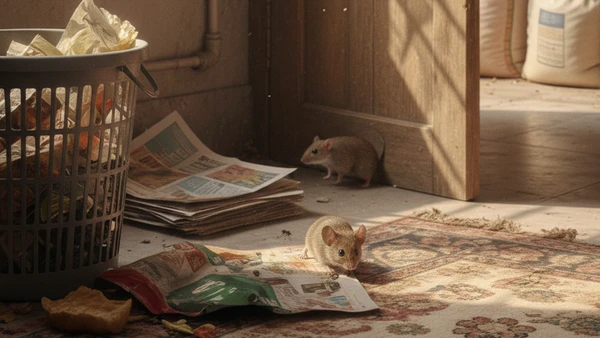
Clutter problem: Old newspapers piled up. Cardboard boxes from online shopping. Unused stuff in corners. All hiding spots. Less clutter means fewer places to hide.
Outside matters too: Plants touching walls give pests bridges in. Standing water in pots breeds mosquitoes. Fallen leaves pile up and rats love that.
Wrapping Up
What is pest control? Basically protecting your space from creatures that don't belong there. Your health, your property, your sanity - all at stake.
Works differently in homes vs hotels vs farms. But core idea same - identify problem, treat properly, prevent recurrence.
Know when DIY works and when to call experts. Don't let ego turn small problem into big infestation. Prevention always cheaper than cure.
Got pest issues right now? Reach out to PestEnd. We'll check what's happening and sort it out properly.