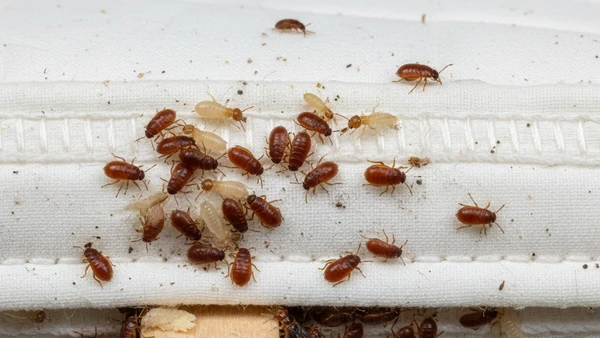
You know that feeling when Diwali cleaning is done — floors spotless, walls freshly painted, every corner smelling like phenyl — and then a cockroach runs across the kitchen counter at 9 pm?
Happened to my neighbour last year. Two weeks of scrubbing and the cockroach showed up right when her in-laws were sitting in the kitchen.
Here's the problem. Cleaning removes what you can see. Pests live where you can't.
Behind your fridge motor. Inside wall cracks. Under the stove. They don't care that you mopped the floor three times. They care that your kitchen is about to be full of sweets, open boxes, and warm cooking smells for five days straight.
That's why pre-Diwali pest control ↗ matters separately from cleaning. They're not the same thing.
Diwali Is Basically a Buffet for Pests
Nobody talks about this but it's true.
Think about a typical festival week at home. Mathis frying on Tuesday. Chakli and namkeen sitting in half-open boxes on the shelf. Ladoos in a plate near the pooja ghar. The dustbin filling up twice as fast as usual. Guests coming and going, door stays open, more people means more crumbs everywhere.
If you were a cockroach — and I'm sorry for this image — this would be your favourite week of the year.
More food. More moisture from constant cooking. More entry points from open doors. More places to hide under all the extra furniture and decoration that gets pulled out.
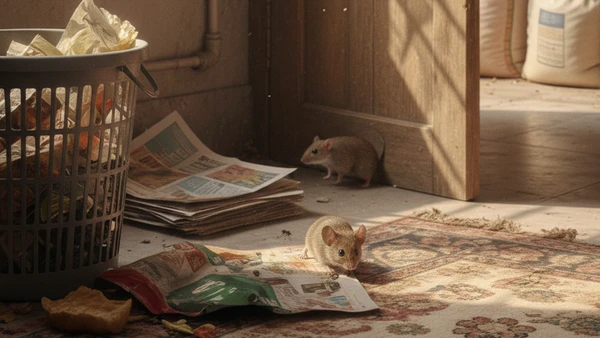
Ants find a sugar trail in under an hour. Cockroaches come out once the kitchen cools down at night. Rodents smell stored grain through thin plastic packets — your extra atta bags and mithai boxes in the storeroom are exactly what they want.
This is why October is actually one of the worst months for pests in Indian homes. Post-monsoon humidity hasn't fully cleared yet. Pest populations are still high from the breeding season. And now Diwali adds more food and warmth on top of it.
The Specific Pests That Show Up Around Diwali
Cockroaches — always first on this list, always most embarrassing. They've been living in your kitchen walls all year. Diwali just gives them more reason to come out. If you spot one during a family gathering there are genuinely dozens more in places you haven't looked.
Rodents — rats and mice are quiet about Diwali prep damage. They chew through plastic packaging silently. You find out a week later when you open a packet of dry fruit or notice gnaw marks on the stored murmura bags. By that time they've already been there for days.
Mosquitoes — still very active in October. People forget this. Post-monsoon humidity keeps them breeding through most of November actually. Diyas and lights burning all evening plus doors open for guests means more mosquitoes inside your home on Diwali night than on a random weekday.
Wood borers and termites — the sneaky one. People polish and paint wooden furniture before Diwali, which looks great. But if termites are already inside that wood, you've just painted over the problem. The damage carries on underneath all winter.
What to Actually Do Before Diwali
Book pest control 7 to 10 days before the festival. Not the day before. Not the same morning. A week out minimum — this lets any treatment smell clear, any chemicals settle properly, and any dying pests disappear before guests walk in.
A basic pre-Diwali pest control treatment should cover cockroaches, mosquitoes, and rodents. If your home has older wooden furniture or flooring, add a termite check while you're at it. October is actually the right time for that anyway.
After the treatment, clean the areas professionals can't access easily. Behind and under the fridge. Inside kitchen cabinets after taking everything out. Under that sofa that hasn't moved in six months. Around your overhead water tank if you can reach it.
Store your festival sweets in proper steel dabbas with tight lids. Not the cardboard mithai boxes from the shop. Not thin plastic bags. Ants find those within hours — steel stops them.
Before guests arrive, check the gaps. Under your front door. Around the pipe under your kitchen sink. Near the AC fitting. These are re-entry points — pests come back through them even after a good treatment. White cement or a basic door sweep seals most of them in twenty minutes.
Why This Tradition Goes Back Further Than You Think
This is the part I find genuinely interesting.
Diwali cleaning before the festival isn't just a cultural habit. It has actual logic behind it. Diwali falls right when monsoon ends — which is also when pest populations peak in India. Three months of humidity means three months of breeding. By October the numbers are at their highest.
The traditional practice of applying cowdung paste on walls and floors before Diwali? That actually worked as a natural disinfectant and pest repellent. People figured out the pest-control function centuries before anyone used that phrase.
We've moved on from cowdung paste obviously. But the instinct — reset your home from the monsoon before the festival — was completely practical, not just ritual.
The Part People Always Regret
Every November, calls come in from people who want pest control done urgently.
Festival is over. Guests have gone home. And now someone has found cockroaches in the kitchen or mouse droppings near the grain storage. Now they want it fixed.
But the problem was there during Diwali. During the pooja. During the family dinner. They just didn't know it yet — or didn't want to deal with it before the busy season.
Pre-Diwali pest control booked two weeks out costs less, causes less stress, and means your home is actually clean — not just clean-looking — when it matters most.