The water goes down. You start assessing the damage — walls, flooring, furniture, electrics. Pest control ↗ is usually the last thing on the list.
It shouldn't be. Because while you're focused on the structural damage, every rat that was living in the soil near your home, every cockroach colony in the nearby drain system, every ant nest in the compound — all of them got flooded out simultaneously. And they're looking for exactly what you have: dry ground, shelter, warmth.
The window between floodwater receding and pest infestation establishing is short. Sometimes hours. Understanding what comes in, in what order, and what to do about it is what prevents a flood from turning into a compound problem.
What happens to pests during flooding — and why it matters after
Subterranean animals — rats, bandicoots, ants, termites, burrowing cockroaches — have one response to flooding: move up and find dry ground. They don't drown easily. Rats are good swimmers. Fire ants form living rafts and float as a colony. Cockroaches can survive submerged for surprisingly long periods.
The flood doesn't kill them. It displaces them. And displacement happens simultaneously across a large area — all the pests in the vicinity are looking for shelter at the same time, from the same event. This is why post-flood pest pressure is so much more intense than a normal infestation. It's not one colony entering from one direction. It's everything from the surrounding area converging on the nearest dry structures.
Your home — particularly the ground floor, the plinth area, the space under the flooring, and the wall voids — is exactly what they're looking for.
The pests that arrive first — and fastest
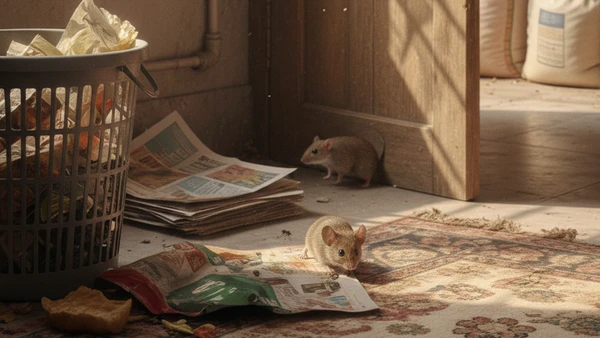
Rats and rodents. Rats are the first to arrive and the hardest to remove once they've settled. During flooding, they move fast and they move far. Brown rats — the bandicoot type common in Indian cities — are strong swimmers that actively seek elevated ground. They'll enter through any opening at or above the waterline: gaps in the plinth, open windows, roof access, drains that are above flood level.
Within the first 24 to 48 hours of flooding, if there are gaps in your building's exterior at any level — rats will find them.
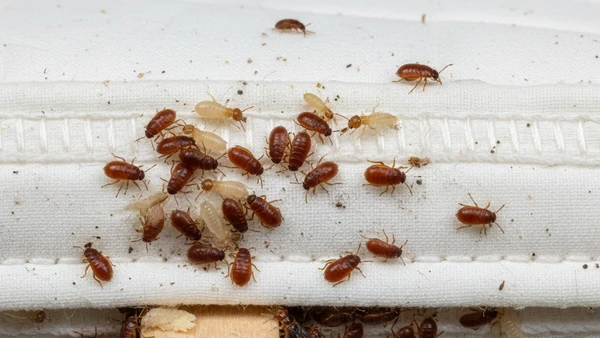
Cockroaches. From flooded sewers and drain systems. In Indian cities, the drain network connects residential buildings to a shared underground system full of cockroaches. Flooding pressurises that system and pushes cockroaches upward. They come through floor drains, bathroom drain pipes, kitchen waste pipes — through any opening connected to the drain system.
This is why post-flood cockroach appearances happen so fast and in such volume. You're not seeing individual cockroaches that wandered in. You're seeing the contents of a pressurised drain system looking for somewhere to go.
Ants. As described earlier — flooding of underground nests triggers emergency colony evacuation. Post-flood ant activity is typically high-volume and fast. Multiple trails, often appearing simultaneously in different parts of the ground floor.
Snakes. This one people don't expect and need to take seriously. Flooding displaces snakes for exactly the same reason it displaces other ground-dwelling animals. Snakes enter buildings through very small gaps — a gap of 6 to 8mm at the base of a door or wall is passable for a thin snake. Rat snakes, common kraits, and sometimes cobras have been found inside Indian homes during and after significant flooding in urban and peri-urban areas.
The snake risk is highest in the 24 to 72 hours immediately after floodwater recedes — when displaced animals are actively moving through an area looking for shelter. It diminishes as the situation stabilises. But it doesn't reach zero for several days.
Safety before pest control
Before any pest control work starts — before you put down bait or seal gaps or call a company — the building needs a safety check for snakes.
This is not overcaution. It's the correct order of operations.
Before entering a flooded room for the first time, wear boots and look before you put your foot anywhere. Check under furniture before reaching underneath. Check inside cabinets, inside boxes, inside shoes left on the floor, inside any pile of displaced fabric or clothing. Snakes in a confined space after flooding are stressed and more likely to strike defensively than they would be in normal conditions.
If you find a snake — don't try to handle it regardless of whether you think you can identify the species. Call a snake rescue service. Most major Indian cities including Jaipur have available wildlife or forest department rescue lines.
The snake risk largely passes within 72 hours. Pest control for other animals can begin during that window but with appropriate care.
Draining, drying, and cleaning — before treatment
Pest control done before the affected area is dried and cleaned is significantly less effective and needs to be repeated.
Standing water is a mosquito breeding site — within 48 to 72 hours of floodwater pooling, larvae can begin developing. Get standing water out first. Pump it, bucket it, squeegee it — whatever applies. Open windows and use fans to begin drying walls and floors.
Remove saturated materials — carpets, mattresses, cardboard, wooden furniture that has absorbed significant water — from the interior. These are both breeding sites and nesting material for post-flood pests. Waterlogged cardboard in a storeroom is an exceptionally good cockroach and rat nesting resource.
Clean with a disinfectant solution before pest treatment. Floodwater carries sewage-level contamination — leptospirosis (rat fever), typhoid, and other pathogens are genuine risks from contact with floodwater and the surfaces it's touched. Clean before you start treating for pests, not after.
Dealing with each pest category post-flood
Mosquitoes. The standing water problem needs to be solved first — all of it. Every container, every pooled area, every spot that's holding water. Then larvicide treatment of drains and any water that can't be fully eliminated. Adult mosquito fogging handles the immediate adult population but doesn't stop the next generation from hatching. Both elements are needed.
Given that dengue and leptospirosis risk both spike after flooding — mosquito control in the post-flood period is a health priority, not just a comfort issue.
Cockroaches. Gel bait is the right tool here, not spray. Post-flood cockroaches are entering through the drain system and settling inside wall voids and cabinet spaces. A spray on the kitchen floor kills what it touches; gel bait inside the under-sink cabinet, near drain openings, and at known entry points reaches the population at the source.
Block drain openings with metal mesh covers where possible. This is a permanent fix worth doing after any flood event.
Rats. Snap traps along walls in the rooms most affected. Bait stations at the building perimeter. But critically — identify and seal entry points as quickly as possible. Post-flood rodent pressure from outside the building is high for days to weeks. Every open entry point is being tested by displaced animals. Trapping inside while new animals continue entering is a losing cycle. The sealing work matters as much as the trapping.
Ants. Gel bait near entry points. The colony is already stressed from flooding and takes bait readily in this condition — post-flood is actually one of the more effective times for bait-based ant control for this reason. Seal ground-level entry points as part of the general exclusion work.
Termites. This is the one post-flood pest that operates on a longer timeline — the damage isn't immediately visible. Soil saturation during flooding activates subterranean termite colonies and can expose them to structures they weren't previously reaching. In the weeks after a flood, check wooden structural elements — door frames, floor joists, wooden support beams, skirting boards — for mud tubes and hollow sounds. An anti-termite soil barrier treatment is worth doing within a month of significant flooding if you're in an area where subterranean termites are known to occur.
The professional treatment timing question
Immediately after a flood — within the first 24 to 48 hours — the priority is safety, drainage, and cleaning. Pest control treatment during active flooding or in a space that still has standing water is largely wasted.
Once the space is drained and surfaces are cleaned: that's when professional pest treatment has full effect. For a significant flood event affecting multiple rooms, a combined service covering cockroaches, mosquitoes, and rodents simultaneously is more efficient than addressing each separately on different visits.
Ask specifically about drain treatment — larvicide application inside floor drains and external drain points is the element most often omitted from post-flood treatments and the one that makes the biggest difference to the cockroach problem specifically.