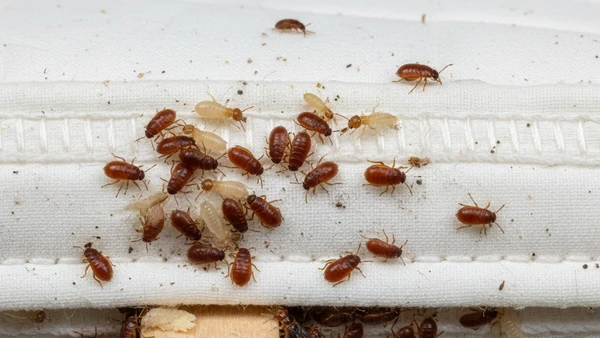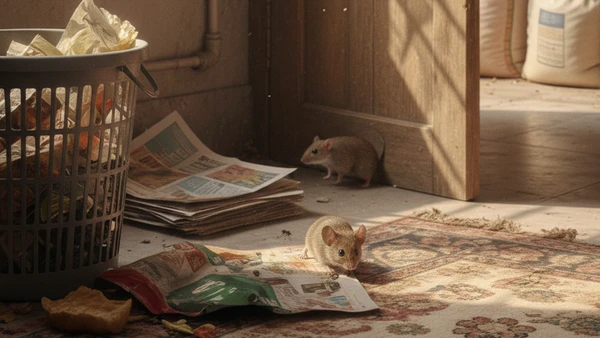
This argument happens more than almost any other rental dispute in India.
Tenant moves in, discovers cockroaches in the kitchen two weeks later, and asks the landlord to do something about it. Landlord says it was fine when the property was handed over. Tenant says it's the landlord's responsibility to maintain the property. Landlord says the tenant must have brought them in. Nobody has a clear answer and the relationship starts badly.
It doesn't have to go this way. The responsibility question has a logical framework, even when the lease doesn't spell it out — which, in India, it usually doesn't.
What Indian rental agreements typically say — and don't say
Most residential rental agreements in India are standard-form documents generated from a template. They cover rent amount, security deposit, notice period, and general maintenance responsibilities in broad terms.
What they almost never specify: who is responsible for pest control ↗, under what circumstances, and whether treatment costs are borne by the landlord or tenant.
This gap creates the dispute. Without a specific clause, both parties default to their preferred interpretation — the tenant sees it as structural maintenance (landlord's responsibility), the landlord sees it as day-to-day hygiene (tenant's responsibility). Both positions have some logic. Neither is completely right.
The framework that actually makes sense
The clearest way to think about this — and the framework that holds up in most reasonable conversations, even without legal backing — is timing and cause.
Pre-existing infestation. If pest activity was present in the property before the tenant moved in — cockroach egg cases in the kitchen cabinets, rat droppings in the storage area, termite mud tubes on the walls — that's the landlord's problem to resolve. The tenant didn't create the infestation. They inherited it.
This is why a move-in inspection matters enormously. If you're a tenant, inspect the property thoroughly before signing. Check inside kitchen cabinets, under the sink, along the wall bases in every room, and in any storage area. Document what you find — photos, a written note to the landlord — before the keys formally change hands. If the landlord refuses to treat a pre-existing infestation as a condition of moving in, that's a negotiation point before you sign, not a surprise after.
If you're a landlord, treat the property between tenancies. Not just clean it — treat it. A cockroach infestation that was managed for years by a long-term tenant who knew where to spray, is an infestation that the next tenant will discover within two weeks of moving in.
Post-occupancy infestation arising from tenant behaviour. If a tenant stores food improperly, leaves the kitchen in a state that attracts pests, doesn't report maintenance issues like water leaks that create pest-friendly conditions, or brings in second-hand furniture with bed bugs — the infestation is causally connected to tenant behaviour. The moral and practical case for tenant responsibility is stronger here.
This is also where the line gets blurry. A tenant who lived in the property for two years and developed a cockroach problem — was it their food habits or was it always in the wall and took two years to manifest? In practice, this question rarely gets a clean answer.
Structural pest issues — termites, specifically. This one is clearer. Termite infestation is a structural problem. It arises from the building's construction, soil conditions, and history. A tenant cannot reasonably be expected to pay for anti-termite treatment of a property they don't own. This is landlord responsibility, and most reasonable landlords accept it.
Similarly: rodent entry through gaps in the building fabric, cockroaches coming from the building's shared drain system, or pest pressure from an adjacent property — these are structural and environmental issues. The tenant can't fix a gap in the building plinth. The landlord can.
What makes a fair rental agreement on pest control
If you're in a position to negotiate the lease — whether as a new tenant or a landlord drafting terms — a few additions make this cleaner:
A clause specifying that the landlord will provide the property pest-free at commencement of tenancy, with a professional treatment record no more than 30 days old at handover.
A clause specifying that pest control for problems arising from structural or drainage issues remains the landlord's responsibility during the tenancy.
A clause specifying that pest control for problems arising from tenant hygiene practices — or for pests that arrive via tenant-introduced items — is the tenant's responsibility.
A move-in checklist signed by both parties, noting the condition of the property including any observed pest activity.
None of this is standard in Indian residential leases currently. But any landlord or tenant can propose these additions and most reasonable counterparts will agree — because it protects both sides from exactly the dispute described at the start.
The common scenarios and how to handle them
Tenant finds cockroaches within the first two to four weeks. Almost certainly a pre-existing infestation. Two to four weeks is not enough time for a new infestation to establish from scratch. The landlord should treat. If the landlord refuses, document the conversation in writing, get treatment done, and deduct from rent with a written notice — this is the practical resolution, though legally complex in the absence of a specific clause.
Tenant finds bed bugs six months into the tenancy. This is harder. Bed bugs almost certainly arrived during the tenancy — either from travel, from visitors, or from second-hand furniture. Unless there's evidence of pre-existing bed bug activity documented at move-in, this is more likely a tenant responsibility situation. That said, a landlord who wants to retain a good tenant often shares the cost in practice, regardless of strict responsibility.
Landlord's property develops a rat problem after a neighbour's building is demolished nearby. External disruption displacing rodents into adjacent properties is an environmental event. The case for shared responsibility or landlord responsibility is stronger here — the tenant didn't cause the problem and couldn't have prevented it.
Long-term tenant reporting termite damage to a wooden door frame. Landlord. Always. Termite damage to the fabric of a building is not a tenant problem.
The practical advice for tenants
Inspect before you sign. Document everything at move-in. Report problems to the landlord in writing — WhatsApp messages count if they're clear and timestamped — so there's a record of when you reported and what the response was.
If a landlord is unresponsive to a legitimate structural pest issue, the Rent Control Act in most Indian states provides for tenant recourse — though enforcement is slow and the practical resolution is usually negotiation, not litigation.
Don't self-treat a serious infestation with off-the-shelf products and assume it's done. Partially treated infestations are harder to professionally treat later. Report first, treat properly.
The practical advice for landlords
Treat between tenancies. A professional cockroach treatment and a rodent inspection cost a fraction of what an argument with a new tenant costs — in time, goodwill, and potential rent loss if they leave.
Maintain the structure. Gaps in the building that allow pest entry are the landlord's responsibility in every reasonable interpretation. Fixing them before a tenant moves in is simpler than fixing them while one is there.
Keep documentation. A treatment record from before the tenancy started, and records of any treatments done during the tenancy, protect you if a dispute arises about who is responsible for what.