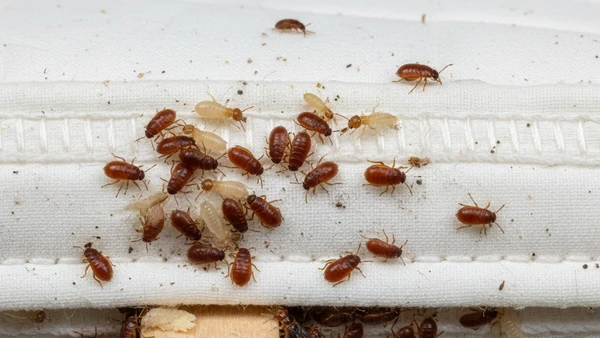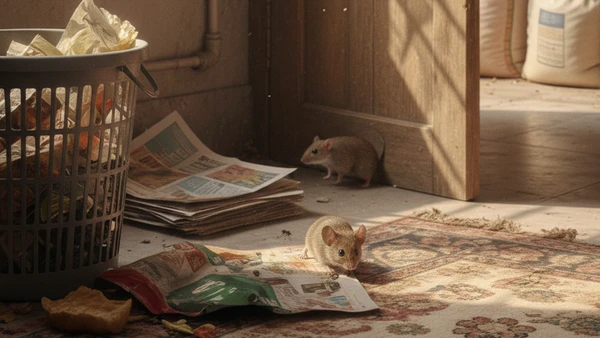
Most office pest problems start the same way.
Someone finds cockroach droppings in the pantry. Or a rat is heard at night by the security guard. Or an employee spots something in the server room and mentions it quietly. For a while, it stays quiet — a can of spray gets used, someone puts down a glue board, and the assumption is that it's handled.
Then it isn't. And by the time it becomes undeniable, the infestation has had weeks or months to establish inside the workspace.
Office pest control ↗ has specific considerations that make the home approach inadequate — and understanding those differences is what separates a managed situation from a recurring one.
Why offices are particularly vulnerable
A large office has dozens of potential food sources, multiple water sources, significant warmth from equipment, and a building that hundreds of people move through every day. Every delivery, every package, every bag brought in from outside is a potential entry vector.
The pantry or canteen is the obvious hotspot — food residue, moisture, warmth, and typically less rigorous cleaning than a home kitchen because it's maintained by whoever got to it last before they went home. Bins not emptied at the end of the day. A spill under the microwave that nobody noticed. Sugar in a container that isn't properly sealed.
But offices have vulnerabilities beyond the pantry. Server rooms and UPS rooms run warm continuously — cockroaches specifically seek out warm electrical equipment. False ceilings throughout most commercial offices create a large undisturbed horizontal space ideal for rat movement between floors. Raised flooring in IT areas provides nesting zones. Storerooms full of cardboard boxes that haven't been touched in months are everything a cockroach or rat needs for undisturbed shelter.
And unlike a home — where one person controls the space and can implement changes quickly — an office has multiple departments, multiple users, and typically a disconnect between the people who notice the problem and the people authorised to do something about it.
The specific problems with DIY in an office setting
A can of spray in the pantry kills the cockroaches it touches. It also leaves chemical residue on food preparation surfaces, generates concerns among staff about chemical exposure, and does nothing to the population living inside the wall void or behind the refrigerator motor.
Glue boards placed by well-meaning facilities staff catch some individuals but leave dead or dying rodents visible — which is a considerably worse experience for anyone who finds one than the original pest sighting.
Over-the-counter products in a commercial space also create liability questions. If an employee reports illness and a pest control chemical was applied to the pantry by non-licensed staff without a documented risk assessment — that's a problem that extends beyond pest management.
Professional commercial pest control uses products and methods appropriate for occupied workspaces — gel baits that have no airborne component, odourless treatments, application timed around office hours so the space is safe for staff when they arrive. The documentation that comes with professional treatment also matters — for any regulated industry, pest control records are part of the compliance picture.
The pests that cause the most problems in Indian offices
Cockroaches — specifically German cockroaches in kitchen and pantry areas, and larger sewer cockroaches entering through ground-floor drain systems. In multi-storey office buildings, cockroach pressure from the building's shared drain infrastructure is constant. A single office treating its pantry while the building's drain system remains untreated is managing a fraction of the actual problem.
Rats — particularly in ground-floor offices, offices with storage areas, and any office building that has a canteen or ground-floor food operation. Rats in office buildings typically move through false ceiling spaces and service ducts between floors. The noise — scratching in the ceiling at night — is often the first sign. By the time it's audible, the population is established.
Ants — particularly in pantry areas. Office ants are the same kitchen ants as in homes, but the food sources are more numerous and the trail-clearing discipline is typically lower. An ant trail that would get noticed and addressed in a home kitchen can persist in an office pantry for days before anyone reports it.
Flies — in canteens, near bin areas, and in any office where external-facing windows or doors are frequently opened. Fruit flies specifically are a sign of fermenting organic material somewhere — a bin that isn't being emptied fully, a spill that wasn't completely cleaned, fruit left on someone's desk that's turned.
Silverfish — in document archives, storerooms with paper records, and any space with paper-based storage that isn't climate-controlled. Silverfish damage paper, card, and certain fabric materials silently over months. In a legal office, an archive room, or a records storage area, silverfish damage can be genuinely costly.
What professional office pest control actually looks like
A properly structured office pest management programme starts with an inspection — not a brief walk-through, but a systematic assessment of the pantry and canteen, all food storage and waste handling areas, the server room and UPS room, storage areas and archives, false ceiling entry points and service ducts, and the building perimeter entry points at ground level.
From that inspection, the treatment programme is structured around the actual risk areas rather than a generic schedule.
Cockroach management in an office uses gel bait almost exclusively — placed inside equipment, in electrical areas, under counters, and in pantry cabinet joints. No spray, no residue on surfaces, no need to vacate. Technicians can treat during early morning before staff arrive and the space is ready for use by the time people start coming in.
Rodent management uses tamper-resistant bait stations at the building perimeter and in risk areas like the storeroom and server room, combined with entry point assessment. In multi-storey buildings, coordinating with building management on the shared infrastructure matters — a treatment limited to one floor in a rat-infested building is incomplete.
Scheduled visits — monthly as a minimum for most offices, fortnightly for kitchens and canteens — with written service reports documenting each visit. These reports are what protects a facilities manager when questioned about pest management.
The staff behaviour component
No pest control programme works in isolation from what staff do in the space.
Food left on desks overnight is a consistent problem in offices. One person's habit of keeping snacks in an open desk drawer feeds an entire cockroach territory in the wall behind the desk.
Bins not being emptied at end of day — particularly kitchen bins with food waste — is the single most common driver of persistent pantry pest problems. The cleaners come in the morning. The cockroaches had the bin to themselves all night.
Cardboard box accumulation in storerooms. Deliveries brought in and stacked in packaging that isn't cleared for days. Spills under the water dispenser or in the sink area that nobody is responsible for.
A pest control company that treats the space without addressing these behaviours is treating the symptom continuously. The programme should include — even informally — a note to facilities management about what specific staff practices are sustaining the infestation. Not a lecture to employees, just actionable information to the people who can implement a change.
The timing question
The best time to establish a professional office pest management programme is before there's a visible problem. Monthly maintenance treatments are significantly cheaper and less disruptive than emergency treatments for an established infestation.
The worst time is the week before a client visit, an audit, or an office inspection. That's when people call in panic, asking for a treatment that will clear the cockroaches before the important day. A single treatment before a client visit handles the immediately visible population. The population inside the wall — the one that becomes visible again within a week — is untouched.
If the decision to start professional pest management is being driven by an upcoming inspection or visitor, the honest answer is: start now, and understand it takes consistent treatment over multiple visits to fully resolve an established problem. Not one treatment the day before.