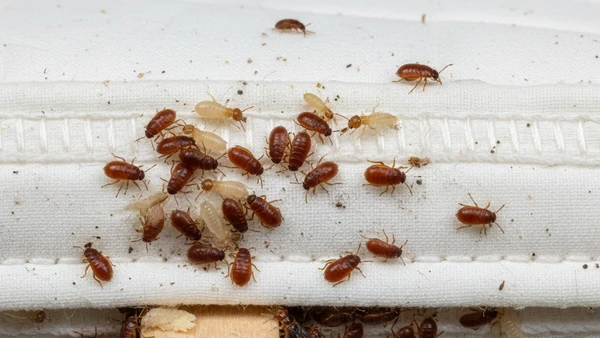
Monsoon is the one season where pest problems in Indian homes compound on each other. Cockroaches from flooded drains. Mosquitoes from standing water. Termites activated by soil moisture. Rats displaced from waterlogged burrows. Ants evacuating from flooded underground nests.
None of this is random. Every one of these pests responds to the same seasonal conditions in predictable ways. Which means it's also entirely possible to get ahead of it — if you do the right things in the right order, ideally before the first rains arrive.
This checklist is designed to be practical. Room by room, pest by pest. Do it once before monsoon, maintain it through the season, and most of what follows will be significantly easier.
Before monsoon starts — the one-time structural work
Seal external wall gaps at ground level. Walk the outside perimeter of your home and check the junction where the wall meets the ground. This is where cockroaches, ants, and rats enter when rain floods their outdoor habitats. Cracks in the plaster, gaps around pipe penetrations, spaces where the skirting tile has separated from the wall — seal these with exterior silicone sealant or cement mortar.
Check and repair window mesh. Tears in corner sections, gaps along the frame edge, sections where the mesh has pulled away from the frame — these let in mosquitoes, flies, and small lizards. Repair or replace damaged sections. This is a one-time annual task that pays for itself in every pest category.
Clear compound drainage. Areas in the compound that pool water after rain, blocked terrace drains, low spots near the foundation — these become mosquito breeding sites and also flood ant and rat burrows near your home. Clear drain outlets of debris before the rains start.
Service the desert cooler. Before running it for the season, drain and scrub the water tray thoroughly. Aedes aegypti — the dengue mosquito — lays eggs on the inner surface of water containers. They survive dry for over a year. Simply filling a cooler that sat empty all winter is releasing a season's worth of mosquito eggs. Scrub, dry completely, then fill.
Move firewood, old tyres, and stored debris away from the building perimeter. These are nesting zones for rodents, termites, and spiders. Anything stacked against the exterior wall gives pests a sheltered route directly to entry points. Clear a gap of at least half a metre between stored material and the wall.
Kitchen checklist
Switch food storage to airtight containers before monsoon. Humidity causes original packaging — paper bags, thin plastic, cardboard — to soften and become easier to chew or enter. Ants and cockroaches are significantly more active during monsoon. Transfer sugar, grains, pulses, and snacks to properly sealed containers now, not after you find ants in them.
Check under the sink. This is where cockroaches from drain pipes appear first during monsoon. Look for droppings, egg cases, and check the pipe penetration gap where the drain exits through the wall. Seal any gap around the pipe with sealant. Place a gel bait sachet inside the under-sink cabinet — one pre-monsoon bait placement handles a lot of the early-season cockroach pressure.
Check the RO waste water bucket. If you collect RO waste water — very common in Indian kitchens — it needs to be either covered at all times or used within a day. An uncovered bucket of standing water during monsoon is a mosquito breeding site inside your own kitchen.
Wipe down cabinet shelves with white vinegar solution. This breaks pheromone trails from previous ant activity. If ants found your kitchen during last monsoon, that chemical trail is still partially present on the shelf surface. Clearing it before this season reduces the speed at which new scouts locate your food storage.
Fix any dripping tap or slow-leaking pipe. Cockroaches are attracted to moisture as much as food. A slow drip under the kitchen sink, condensation collecting in a corner, a pipe that sweats — all of these are signals during monsoon when insects are actively seeking moisture and shelter.
Bathroom checklist
Fit metal mesh drain covers on all floor drains. Standard plastic drain covers with large openings let cockroaches through from the drain system below. Metal covers with smaller mesh openings block entry. The investment is minimal. The impact during monsoon — when flooded sewers push cockroaches upward through drain pipes — is significant.
Check behind the toilet and under the sink cabinet. These are the first places cockroaches appear when they enter through the bathroom drain system. Do a quick inspection with a flashlight before monsoon. If you see egg cases or droppings already — treat now, before the season amplifies the population.
Clear the bathroom of standing water after use. A wet bathroom floor that stays wet — common when windows are closed during heavy rain — is attractive to several pests. Squeegee or mop after bathing. Dry the sink base. Keep the area as dry as practically possible.
Bedroom checklist
Wash all bedding in hot water before the season. This deals with any early bed bug eggs or dust mites before humidity levels rise. Monsoon humidity accelerates both.
Check the underside of the bed frame and mattress seams. If you haven't had a bed bug issue, this is about confirming you still don't. If the bed frame is wooden, check the joints and screw holes with a flashlight. Dark spotting, shed skins, or egg cases require action before monsoon worsens the situation.
Put a mosquito net over the bed. This sounds old-fashioned. It's the most reliable physical protection against mosquito bites at night and the safest option for young children. The dengue mosquito bites during the day — but Culex, which carries other diseases, is the night biter. A net costs very little and removes the problem entirely for sleeping hours.
Check window frames for gaps. Even a small gap at the corner of a window frame that's fine during dry weather is a mosquito entry point during monsoon when insects are more numerous. Run your finger along the frame seal. Any give or gap — a small amount of sealant fixes it.
Living room and storage checklist
Check wooden furniture and the wall behind wooden pieces. Monsoon is when termite activity increases — moisture in the soil activates subterranean termite colonies. The mud tubes they build along walls and furniture legs are most visible during and just after the first rains. Check along the base of wooden furniture, along skirting boards, and at any point where wood contacts the floor or wall. A hollow sound when you tap on wood that didn't hollow before is worth taking seriously.
Clear out cardboard boxes from storage. Cardboard is nesting material for cockroaches, a target for silverfish during monsoon humidity, and a preferred material for rat nests. Any cardboard boxes stored in a cupboard, storeroom, or under a bed — either move them to airtight plastic containers or dispose of them. This is one of the single most effective decluttering actions for monsoon pest prevention.
Check stored clothing that hasn't been opened in months. Silverfish activity spikes during monsoon. Any clothing, fabric, or paper stored in a space that isn't humidity-controlled should be checked. Silverfish damage — irregular holes or eaten areas in fabric — is the sign. Cedar balls or neem leaves in the storage space deter them.
Check the AC unit drain pipe. The condensate drain from a split AC runs through a pipe to outside. If that pipe is partially blocked, water backs up into the internal tray — a warm, dark, enclosed water container. Mosquito breeding site inside the unit. Check that the drain flows freely before the season and clean the internal tray if you can access it.
Outside the home — compound and terrace
Clear the terrace drain. If your terrace drain is partially blocked, water after monsoon rain pools for hours — sometimes days. That pooling is a high-volume breeding site for mosquitoes. Clear it of accumulated dust and debris before the season. Check that it's flowing freely by pouring water down it.
Identify and address standing water spots. Walk the compound after the first rain and note where water pools. Under the staircase, near the water meter, in a corner of the compound wall. These spots need either drainage improvement, filling, or treatment with a larvicide tablet — available from pest control ↗ suppliers — that prevents mosquito larvae from developing without harming other organisms.
Check the overhead water tank lid. If the lid doesn't close flush — broken edge, loose fit, gap around the inlet pipe — mosquitoes breed in the tank. The water you're storing for drinking and cooking becomes a breeding site. Check the seal, repair or replace the lid if it doesn't close properly.
The professional treatment conversation
Most of the checklist above is maintenance that homeowners can do themselves. The things that benefit from professional treatment are the ones that have either already progressed beyond what surface measures can handle, or that require access to areas you can't reach.
A pre-monsoon professional service worth considering: cockroach gel bait treatment inside wall voids and drain areas, mosquito larvicide treatment of external drains and water bodies in the compound, and a general inspection for termite mud tubes and rodent entry points. This handles the inside of the wall, the drain system, and the compound simultaneously — the three areas where monsoon pest pressure actually starts.
Booking this in June, before the first major rains arrive, is when it has the most preventive value. By July, when most people start calling, you're already managing an active problem rather than preventing one.