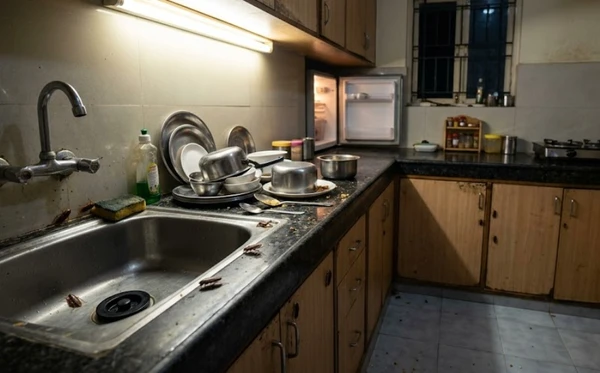
You spray the trail. Dead ants everywhere. You wipe it clean and feel like the problem is solved.
Next morning — same trail. Same spot. Sometimes more ants than before.
This happens to everyone. And the reason is straightforward: the spray killed the workers you could see. The colony that sent them — usually somewhere inside the wall, under the floor, or in the soil outside — is completely fine. New workers follow the same pheromone path within hours. You didn't solve anything. You just reset the clock.
The remedies that actually work don't just hit the trail. They either cut off the signal ants use to navigate, make the entry area genuinely hostile, or in one case, actually reach back to the nest. Here's what's worth trying.
Before anything else — follow the trail
Don't start in the middle of the kitchen. Crouch down and watch where the ants are coming from.
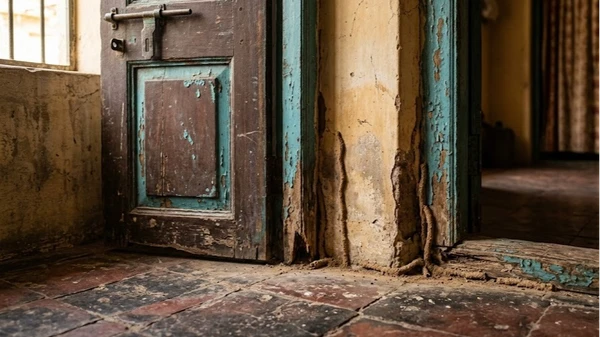
Follow the trail to the wall. Keep following. It'll lead you to a crack in the tile grout, a gap at the base of the skirting board, a space around the pipe under the sink, a gap in the window frame — somewhere specific. That point is what you're ultimately working toward. Every remedy below is more effective once you know where they're entering from. And sealing that gap after the colony is disrupted is what actually stops them from coming back.
Most people never do this. They treat the trail and wonder why the problem keeps recurring. The entry point is the whole game.
White vinegar — cheap, quick, works reasonably well
Equal parts white vinegar and water in a spray bottle. Spray directly along the trail, then wipe it with a cloth.
What this does: ants navigate by following chemical signals left by previous workers. Vinegar disrupts that signal. Workers that come out of the nest following the trail lose it at the treated section. They scatter, stop reinforcing the path, and the trail weakens.
This doesn't kill ants. It disorients them temporarily. But paired with removing whatever food source attracted them, it's often enough for a small, recent infestation.
One thing to know — mopping the floor or wiping the surface later removes the vinegar too. Reapply after cleaning. The smell fades for humans in minutes, but the chemical disruption to the pheromone trail lasts longer.
Lemon juice along surfaces
Fresh lemon juice wiped along the trail, the counter edge, and around the entry point. Ants dislike the acidic pH and the citrus scent.
The useful thing about this one is that you're cleaning the surface and deterring ants at the same time. Wipe down the area around the sugar container, the base of the fruit bowl, the edge of the sink — anywhere you've seen them foraging. It leaves no harmful residue, dries clean, and smells fine.
For the entry point specifically, squeeze lemon juice directly into the crack and let it sit rather than wiping it away immediately.
Cinnamon — better at the entry than on the trail
Ground cinnamon sprinkled at the entry point works. Ants avoid crossing it. Cinnamon oil on a cotton ball placed near the gap works better and lasts longer.
Put this where they're entering — not in the middle of the kitchen. By the time a trail is moving through your counter, deterring the foragers in the middle of their route is too late. The entry point is where cinnamon is useful.
It washes away and needs reapplication, so it's a gap measure while you're working on sealing the entry permanently.
Chalk or talcum powder
Draw a chalk line across the entry point. Or sprinkle talcum powder along the gap they're using.
Ants don't cross it reliably. Something in the calcium carbonate disrupts their pheromone detection. It sounds absurd. It works often enough to be worth trying when you've found the entry point and want a quick barrier before you can properly seal it.
Washes away in cleaning. Use it as a temporary block, not a permanent fix.
Boric acid — the one that actually reaches the colony
This is different from everything above. This one can actually end the infestation rather than just push it around.
Mix roughly one part boric acid with three parts sugar. Add a few drops of water to make a thick paste. Place tiny amounts of this near the trail — not on the trail directly, slightly to the side of it. The sugar draws the foraging workers. They pick up the boric acid with the sugar. They carry it back to the nest.
Boric acid is slow-acting. The ant that picks it up doesn't die immediately. It gets back to the colony first. Once there, ants share food with colony members — the boric acid spreads through this process. Over a week or two, if the colony is small and hasn't nested deep inside the structure, you'll see the trail thin and stop.
Keep this away from children and pets. The concentration in ant bait is low, but it shouldn't be ingested.
This is the closest thing in the home remedy category to professional gel bait. It works on the same principle — slow transfer back to the source. Give it time. Don't combine it with sprays near the bait placement because that deters the workers from picking it up.
Diatomaceous earth — quiet but effective
Food-grade diatomaceous earth is available at agricultural supply shops across Rajasthan and through online stores. It's a white powder made from fossilised algae. At a microscopic level it's sharp — it damages the outer shell of insects that walk through it, and they dehydrate.
Sprinkle it along the wall base near the entry point, inside the gap under the cabinet, or across any surface ants are regularly crossing. It doesn't work instantly — ants need to walk through a sufficient amount of it. But it has no chemical toxicity, it's safe around food preparation surfaces, and it keeps working as long as it stays dry.
Reapply after the floor is mopped or the area gets wet.
What's actually making them come back
Every remedy above fails if two things aren't addressed.
The food source. Ants are in your kitchen because something is available — something you might not have spotted yet. The honey jar lid with residue on it. The sugar container that isn't airtight. Crumbs behind the toaster nobody moves. A sticky spill under the fridge. Find it. An ant trail doesn't persist in a kitchen with genuinely nothing to eat.
The entry point. Once you've found it — seal it. Silicone sealant into the crack in the tile. Sealant around the pipe gap under the sink. Whatever the gap is. This is the step that makes everything else permanent rather than temporary. None of the remedies above stops new ants from entering through the same gap two weeks later. Sealing does.
When none of this is enough
If the trail is coming from inside the wall — you follow it and it disappears into the wall structure rather than going to an external gap — the colony is nesting inside the wall void. Home remedies don't reach there.
Same if the infestation has spread to multiple rooms, if trails are appearing in different parts of the kitchen from different directions, or if treatment keeps failing despite removing food sources and treating the trail consistently.
At that point the colony is established deep inside the structure. Professional ant control uses gel baits placed inside wall voids and at internal harborage points — not on surface trails. It reaches the nest rather than the workers. Combined with a proper inspection to find where exactly they're nesting, it handles what surface remedies can't get to.