Here's a situation that plays out in apartment buildings across India constantly.
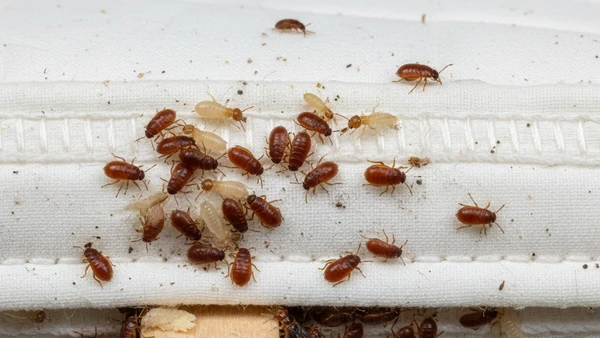
One flat gets a professional cockroach treatment. It works for a few weeks. The cockroaches reduce, then gradually come back. Another treatment. Same result. The resident concludes pest control ↗ doesn't last, when what's actually happening is that the cockroach population in the shared drain system — the riser pipes that connect every flat in the building — was never treated. Every few weeks, a fresh wave of cockroaches from the building's shared infrastructure moves back into the treated flat through the drain.
This is the central problem with apartment pest control in India, and it's worth understanding properly before deciding what to do.
Why apartments are structurally different from independent homes
An independent home is a closed system. Pest entry comes from the surrounding environment — soil, outdoor areas, gaps in the building fabric. Treat the entry points, treat the interior, and the infestation is contained to what you can control.
An apartment in a multi-storey building is not a closed system. It connects to every other flat in the building through shared infrastructure — the soil and waste drainage risers that run vertically through the building, the electrical conduit chases, the shared wall cavities, and in older buildings, gaps between floor slabs.
Cockroaches in the building's shared drain system can access any flat connected to that riser. Rats in the false ceiling of the fourth floor can access the fifth floor through service openings. A bed bug infestation in the second-floor flat can spread to the first and third through wall voids.
This is why single-flat treatment in a building with building-wide pest pressure produces temporary results. You're treating one node in a network that has multiple sources you're not addressing.
What society-level pest control looks like and why it works better
A society-wide pest management programme treats the building's shared infrastructure along with individual units. This means:
The common areas — staircases, lobbies, basement, terrace — are treated as part of the programme. These are the transit zones where pests move between flats and between the outdoor environment and the building interior.
The drain risers — the vertical pipes that connect all bathroom and kitchen drain points through the building — get larvicide treatment and gel bait application at accessible points. This addresses the cockroach source rather than just where they end up.
The basement, if present, gets rodent assessment and bait station placement. Basement-level entry points are where ground-level pests — rats and cockroaches from street drains — typically enter the building.
The building perimeter gets a residual spray or granule treatment to create a barrier at the point of external entry.
Individual flats are treated with gel bait for cockroaches and targeted spray for general crawling insects.
When all of this happens simultaneously, and the source treatment and the interior treatment are done in the same window — the results last significantly longer than any single-flat treatment can achieve, because you're addressing both the population inside flats and the source population in the infrastructure.
The building management question
In most housing societies in India, pest control for common areas is the responsibility of the society or RWA, funded from maintenance charges. Individual flat pest control is the resident's own responsibility.
This division, while administratively logical, is practically inadequate. Treating common areas and leaving individual flats untreated means pests migrate in from untreated flats into treated common areas. Treating individual flats while common areas remain untreated means re-infestation from the common infrastructure continues indefinitely.
The societies that have the best outcomes are the ones that run coordinated programmes — a society-contracted pest control company that treats common areas and shared infrastructure on a scheduled basis, combined with facilitated access for residents to extend the same treatment into their individual flats at a negotiated rate or as part of the overall contract.
If your society doesn't have this in place and you're dealing with a persistent cockroach or rodent problem despite repeated individual flat treatments — raising the issue with the RWA committee is the practical starting point. The cost of a building-wide coordinated programme, spread across all residents through maintenance charges, is typically lower per flat than what individual residents are spending on repeated treatments that aren't fully working.
What a flat-level treatment can realistically achieve
Even without society-wide coordination, a well-executed flat-level treatment does provide meaningful results — with realistic expectations.
Gel bait treatment of the interior, placed inside electrical points, under appliances, in cabinet joints, and critically at the drain pipe entry points inside the bathroom and kitchen, does significantly reduce the cockroach population inside the flat and slows re-entry.
The drain entry points specifically are worth paying attention to. The most common re-infestation route in an apartment is the gap around drain pipes where they pass through the floor into the drain riser. Fitting metal mesh covers on floor drains, and applying gel bait in the area around the under-sink drain penetration, addresses the most direct entry route.
For the level of protection achievable at flat level, the realistic expectation is: significant reduction sustained for 6 to 10 weeks with gel bait, tapering as the residual wears off and re-entry from the building infrastructure gradually resumes. This is meaningfully better than nothing, and for many flats with moderate building-level pressure, this cycle — maintained with regular six-monthly or quarterly treatments — is sustainable.
For flats with severe, persistent problems that don't respond to individual treatment — particularly ground-floor units with direct drain and soil access, or flats adjacent to the riser in a building with heavy building-wide infestation — the honest answer is that individual flat treatment alone has fundamental limits.
Seasonal timing in society pest control
In Rajasthan and most of northern India, monsoon is when apartment-level pest pressure peaks significantly. Ground-level pests get displaced by flooding. The drain system backs up and pressurises. Cockroaches and rats that were outside are suddenly inside.
A society-wide pre-monsoon treatment — typically scheduled in May or June — that covers common areas, basements, drains, and offers coordinated flat access is the most effective single investment an RWA can make in the pest management calendar. The timing means the treatment is in place when pressure peaks, rather than being organised reactively once the problem is already visible in multiple flats.
Post-monsoon follow-up — September or October — handles the second peak as pests try to move back indoors before the dry season.
Practical steps for residents in societies without coordinated programmes
Get your own flat treated properly — gel bait in harborage areas, drain covers on floor drains, mesh around drain pipe penetrations. This manages what's controllable at flat level.
Talk to your neighbours. If multiple adjacent flats treat simultaneously — same week, same approach — the shared wall pressure reduces significantly even without a full building programme.
Raise it at the RWA meeting. Document the recurring nature of the problem. Propose a society contract with a pest control provider. The per-flat economics usually make this a straightforward decision once presented clearly — what each resident currently spends on repeated individual treatments often exceeds their share of a coordinated building programme.
Ask the pest control company you use whether they do society-level programmes. Many do, and can provide a combined quote for common areas and facilitated flat access that's more cost-effective than ad hoc individual bookings.