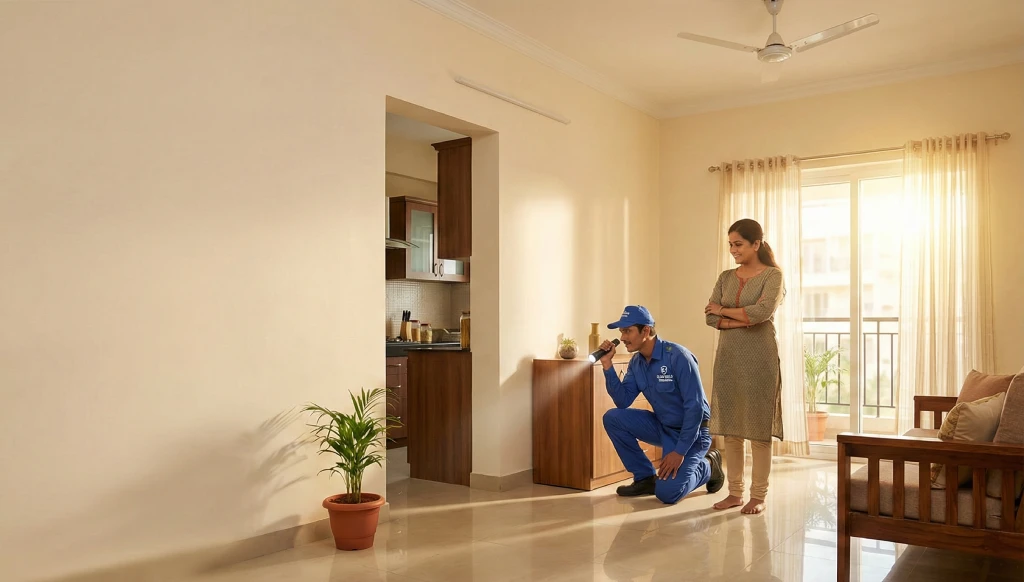
Pest control service in Surendranagar for homes, cotton belt properties, Wadhwan heritage havelis & offices. Termites, cockroaches, bed bugs, rodents & mosquitoes. Free inspection, fixed pricing, warranty. Call PestEnd.
Fill form to get a call back in 10 mins
Customized solutions for Surendranagar's climate and pest problems.

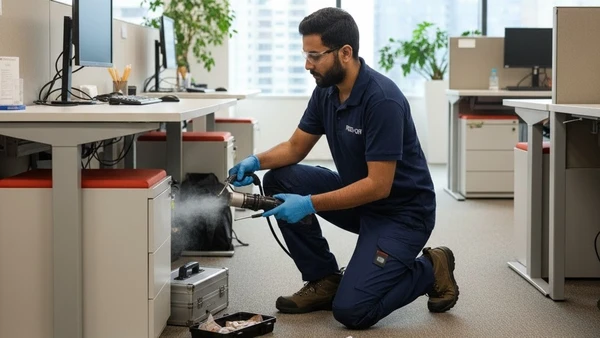
""Cockroaches in the kitchen — flat near the textile workshop lane. PestEnd gel treatment, 35 minutes, no smell. Gone by next morning. Still clear 4 months later. Price matched the quote exactly. Clean, professional work.""
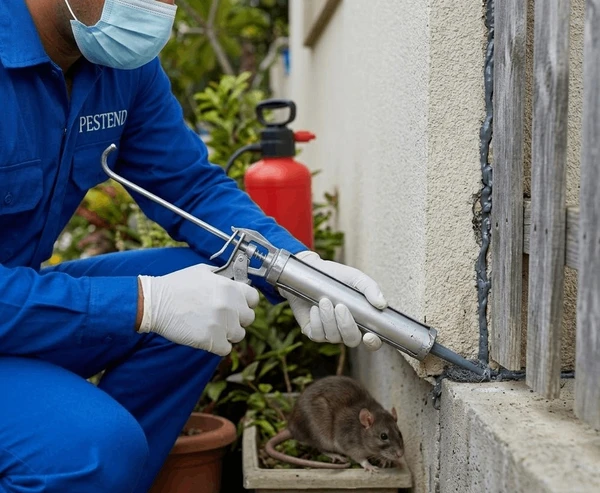
""Ground-floor house near the ginning yard — rodents every October like clockwork. PestEnd found two entry gaps in the compound wall drainage channel and one under the back door step. Sealed all three. October came and went with nothing. First ginning season without the problem in years.""
""Old haveli — cockroaches in the kitchen shared with the adjacent property's drainage. PestEnd gel treatment, no mess, explained the shared-pipe issue honestly. Significant improvement and follow-up call came on time. Good, reliable service.""
Most Gujarat cities have a straightforward pest profile. Surendranagar has two entirely different ones depending on which side of the city you're on.
To the west: the Little Rann of Kutch. One of the world's largest seasonal salt flats. The saline soil and groundwater that defines Surendranagar's western edge isn't just a geographic curiosity — it changes how construction behaves. High salt content in the soil and groundwater accelerates masonry corrosion, creates micro-fractures in plaster and foundation concrete over time, and keeps sub-surface moisture elevated even in dry months through capillary salt-moisture action. The properties in Surendranagar's western residential zones — closest to the Rann edge — show termite entry pathways through salt-corroded masonry gaps that don't appear in standard non-saline soil construction.
To the east and through the city centre: cotton. Surendranagar is the heart of Gujarat's cotton-ginning belt. Cotton processing mills, ginning factories, seed storage warehouses, bale yards — some of the largest in the state are embedded in and immediately adjacent to the city's residential fabric. Cotton seed storage generates rodent populations at industrial scale. These are not urban rats finding kitchen scraps. They're warehouse rodents with a consistent, high-volume food supply that cycles outward into adjacent residential areas during ginning season and remains partially active between seasons.
Between those two pressure points sits the city itself — and Wadhwan, the twin city with its royal-era heritage havelis and old walled construction that has its own separate termite history.
Pest control ↗ in Surendranagar means understanding the Rann edge, the cotton belt, and the old city. Not one generic treatment applied to all three.
Cotton ginning belt — areas adjacent to mills and ginning yards near Limbdi Road, Dhrangadhra Road, and the industrial edge — cotton seed and bale storage at scale creates the heaviest rodent pressure of any zone in Surendranagar. Ginning season runs roughly October to March — when the gins are active, rodent populations in adjacent residential areas spike noticeably. But unlike an agricultural harvest where the crop moves and rodent pressure drops, ginning yards hold stored cotton and seed before and after processing, so the food source is more persistent than pure seasonal crop pressure. Ground-floor residential units within 500m of major ginning operations deal with year-round rodent presence at elevated intensity.
Rann-edge western residential zones — the saline soil and groundwater chemistry on Surendranagar's western side accelerates the degradation of treated soil barriers around foundations. Standard termiticide barriers in saline soil have a shorter effective life than in normal Gujarat soil — the salt chemistry interacts with the soil treatment in ways that reduce barrier persistence. Properties here need more thorough perimeter treatment and should not skip annual inspection. The capillary moisture action from saline groundwater also keeps lower wall masonry damp in ways that attract termites independent of monsoon season.
Wadhwan old city — the historic twin city with heritage palaces, old merchant havelis, and dense walled-city construction. Original lime-mortar masonry, teak and sheesham wooden structural elements, narrow lanes with shared boundary walls. Termites in Wadhwan properties have had decades of uninterrupted structural access in some of the older havelis. Cockroaches in the bazaar lane kitchens follow the shared-drainage collective pattern of every compact heritage city in Gujarat.
Surendranagar main city residential belt — Patel Colony, Lakhtar Road, Station Road areas — the standard urban residential zones. Aging construction in older colonies, newer development pushing outward on the Ahmedabad and Rajkot highway corridors. The main city sits between the two pressure zones — not as severely affected as the Rann edge or the ginning belt but still dealing with the cross-influence of both.
Textile and dyeing workshop belt — warm, humid dyeing workshop environments adjacent to residential areas. Cockroaches thrive in the warmth and organic chemical residue of textile processing units. Properties sharing drainage with active dyeing workshops deal with cockroach pressure that re-supplies from the workshop environment.
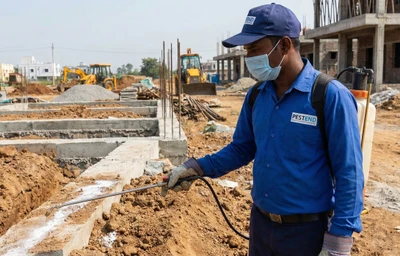
New development — Ahmedabad Road and Rajkot Highway expansion zones — new societies, fresh excavated soil. Standard new Gujarat construction termite pattern — soil disturbed, left untreated, building handed over. Year 2 to 3 the first signs appear.
Termites Rann-edge western property, Wadhwan heritage haveli, new society flat on Ahmedabad Road — the approach matches the site. For Rann-edge properties in saline soil, we use termiticide formulations suited to saline groundwater conditions and ensure full perimeter coverage — partial treatment in these soil conditions degrades faster than in standard Gujarat soil. For Wadhwan heritage construction, we treat the soil at foundation level without drilling through original lime-plaster surfaces or carved woodwork. For new residential construction under 3 years old, pre-flooring soil treatment is still accessible and significantly cheaper than post-possession perimeter drilling.
Cockroaches Wadhwan bazaar lane kitchens, textile belt residential flats, commercial kitchens near Station Road — odorless gel bait placed in exact harbourage points: pipe chases, behind modular panels, wall-floor joints. No prep. No smell. No vacating. Active next morning. Holding 3 months later. For textile workshop-adjacent properties with warm drainage re-supply, pipe-entry sealing after gel treatment limits the external source cycling back in.
Mosquitoes Bhogavo river low-lying stretches, seasonal water retention in low-lying areas near the Rann edge, open plots in new Ahmedabad Road societies — Surendranagar's semi-arid climate means the monsoon is shorter than South Gujarat, but the Rann-edge areas hold water in low pockets longer than the city's elevated central zones. Larvicide in every standing source before fogging. Fogging alone gives one week. Source treatment plus fogging holds.
Bed Bugs Guesthouses near Surendranagar railway station, transit accommodation on the Ahmedabad–Rajkot corridor, lodges serving the Tarnetar fair footfall — high-turnover accommodation on a busy mainline station. Heat treatment combined with targeted chemical application clears adults and eggs both. Standard spray relocates them. It doesn't finish them.
Rodents Cotton ginning belt ground-floor residential units, Wadhwan old city compound walls with original drainage gaps, Rann-edge properties with salt-corroded compound wall footings — cotton-belt rodents need sealing as the priority. We bait, find every real gap, seal with material they cannot gnaw. Without sealing, ginning-season rodent pressure refills the space within weeks because the food source doesn't move.
General Pest Control Ants, silverfish, spiders, wood borer, lizards — one visit, all covered. Pre-monsoon in April is the right timing. Surendranagar's monsoon is shorter than coastal Gujarat — the window for effective pre-treatment is narrower, so earlier is better.
|
Service |
1 BHK |
2 BHK |
3 BHK |
|
₹999 |
₹1,299 |
₹1,599 |
|
|
Termite Treatment |
₹3,500 |
₹5,500 |
₹7,000 |
|
Bed Bug Treatment |
₹1,499 |
₹2,599 |
₹3,499 |
|
₹999 |
₹1,899 |
₹2,599 |
|
|
General Pest Control |
₹899 |
₹1,299 |
₹1,599 |
|
Rodent Control |
₹1,500 |
₹2,500 |
₹3,000 |
Wadhwan heritage havelis, large cotton-belt industrial units, ginning yards, and Rann-edge saline-soil properties quoted separately after inspection. Price confirmed before treatment — nothing added on the day.
Looking for pest control service in Surendranagar near me? We serve:
Surendranagar town · Wadhwan · Patel Colony · Lakhtar Road · Station Road · Limbdi Road · Dhrangadhra Road · Ahmedabad Road corridor · Rajkot Highway zone · Rann-edge western residential belt · Cotton ginning area · Textile workshop zone · Chotila Road · Sayla Road · Halvad approach · Muli area · Tarnetar road corridor and surrounding localities.
Not listed? Call — confirmed in minutes.
Call PestEnd directly — number at the top of this page. No hold queue, no routing. We pick up, confirm your locality, and book within the same call. Most inspections happen within 24 hours.
For pest control service number queries — the direct line at the top of this page is the fastest route, any day of the week.
Free inspection first. Within 24 hours. Rann-edge property, Wadhwan haveli, or new Ahmedabad Road society — inspection depth suits the structure. We assess infestation level, entry points, soil conditions, external pressure sources. Free. No commitment.
Fixed price after inspection. Confirmed before treatment starts. Nothing changes on the day.
Treatment. We bring all equipment. Standard flats done in 1–2 hours. Exact re-entry timing per room before we leave.
Follow-up at 7–10 days. Activity in warranty window? We return. No charge.
Book your free inspection — no pressure, just find out what's actually there and what it costs to fix.