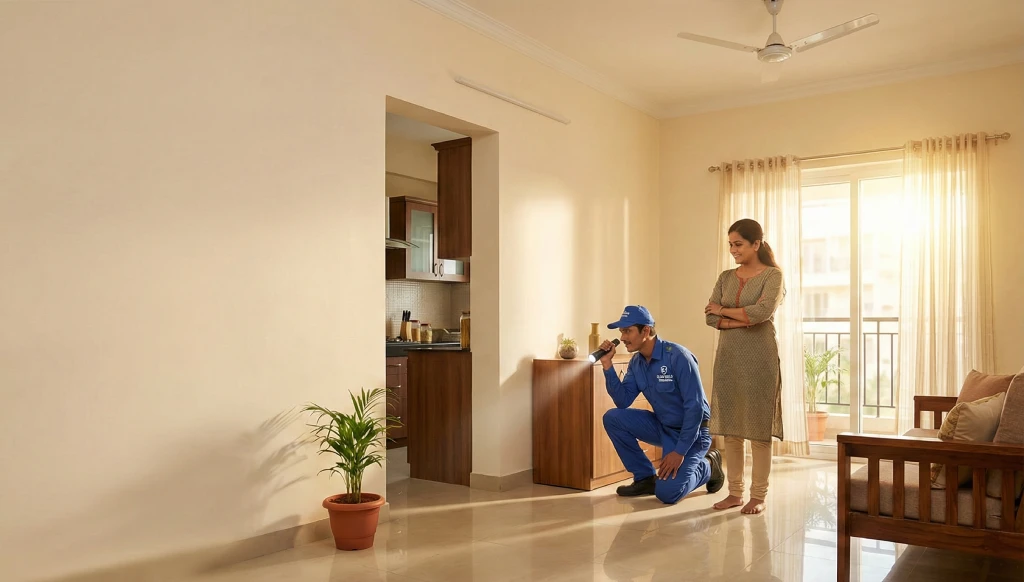
Pest control Services in Patan Gujarat for homes, old city havelis, Patola weaving belt & heritage properties. Termites, cockroaches, bed bugs, rodents & mosquitoes. Free inspection, fixed pricing, warranty. Call PestEnd.
Fill form to get a call back in 10 mins
Customized solutions for Patan's climate and pest problems.
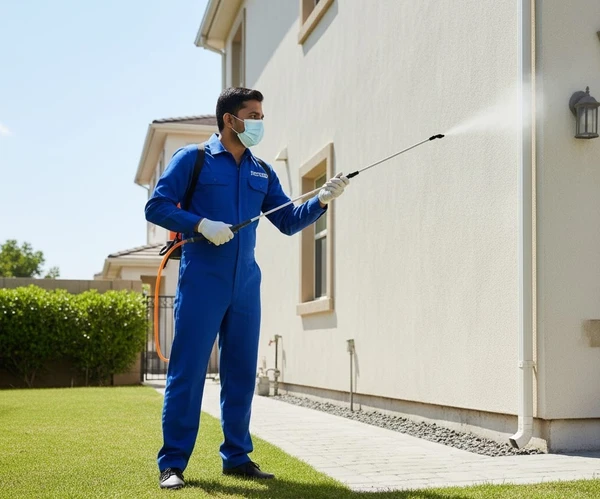
""Family haveli near the Patola lane — termites in the main room teak beam and the kitchen wall base. Had it treated twice, came back within one season each time. PestEnd did the full foundation perimeter without touching the original woodwork. Explained the Saraswati basin moisture issue clearly. Nine months clear. First time it's held properly.""
""New flat, 3 years old — cockroaches in the kitchen from year 2. PestEnd gel treatment, 40 minutes, no smell, nothing to move. Gone by next morning. Still clear at the 4-month mark. Price matched the quote on the phone exactly.""
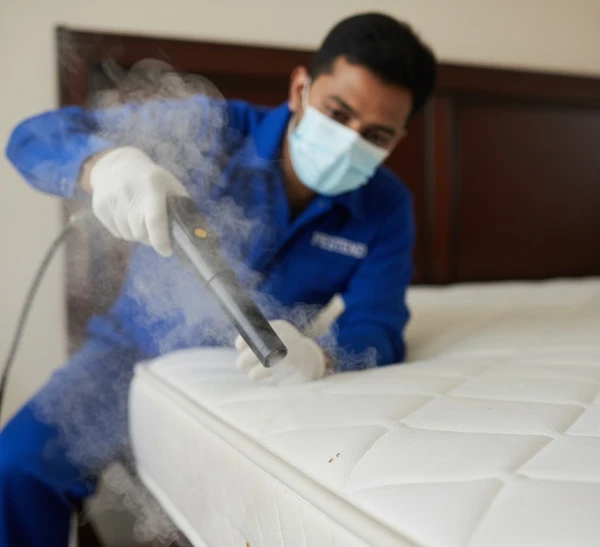
""Running a guesthouse near the stepwell — bed bugs appeared in two rooms during the peak tourist season. PestEnd heat treatment within 48 hours of calling. Both rooms cleared completely. They advised on treating all rooms at once which made the difference. Fast, discreet, and professional.""
Rani ki Vav is 900 years old. The stepwell's carved sandstone panels are among the finest surviving examples of Solanki-era craftsmanship anywhere in India. UNESCO recognised that in 2014.
Nobody writes UNESCO citations for termites. But Patan's old city — the walled medieval fabric surrounding and beyond the Rani ki Vav — has construction that is, in some sections, nearly as old as the stepwell itself. Lime-mortar havelis, original teak structural beams, thick compound walls that have absorbed 500 years of North Gujarat's monsoon and winter moisture cycles. No soil treatment when they were built. No soil treatment since. Termites in Patan's old city have had uninterrupted access to some of these foundations for generations.
That's the first thing. The second is the Saraswati river. Ancient Patan — Anhilwara, the Solanki capital — sat on the Saraswati. The river is largely seasonal now, but the alluvial floodplain soil it deposited through the district retains sub-surface moisture longer than the surface suggests. Properties in Patan's lower-lying areas near the old river channels hold foundation moisture through months when the city looks dry. The Dharoi canal system feeding North Gujarat irrigation adds to this — agricultural canal water in the Patan district keeps sub-surface soil damp year-round in the farming fringe zones.
Third: tourism. Rani ki Vav brings significant visitor traffic — school groups, domestic tourists, foreign archaeological visitors. Guesthouses and budget accommodation near the old city and around the Sahastralinga Talav fill and empty with consistent turnover. Luggage-based bed bug cycling through the tourist accommodation belt is the direct result.
Pest control ↗ in Patan means knowing the medieval old city, the Saraswati alluvial soil, and the UNESCO tourism corridor.
Old walled city — the haveli lanes, Patola weaving belt, and bazaar fabric — this is Patan's most termite-vulnerable zone. Original lime-mortar construction, teak and sheesham structural elements in havelis that haven't had soil treatment in living memory, shared boundary walls running through entire bazaar rows. The Patola silk weaving community — whose double-ikat handloom tradition is as UNESCO-recognised as the stepwell — works in warm, humid loom rooms adjacent to residential spaces. Warmth and organic thread residue create cockroach conditions in the weaving belt that persist through winter when standard North Gujarat residential properties get some relief. Cockroaches in the lane kitchens share drainage across multiple adjoining properties — treating one unit alone gives temporary results in a systemic problem.
Rani ki Vav and Sahastralinga Talav tourist corridor — guesthouses, dharamshalas, and budget lodges near the heritage sites deal with consistent luggage-based bed bug reintroduction. Pilgrimage and tourist traffic to Patan's heritage belt is year-round, not seasonal. One infested mattress from a single visitor is enough. Without heat treatment that clears eggs alongside adults, the problem resets with the next batch of guests.
Saraswati river low-lying belt and canal irrigation fringe — the old Saraswati channels and canal-adjacent agricultural land around Patan's eastern and southern edge keep sub-surface soil moisture elevated past the visible monsoon season. Termite activity in low-lying residential properties near these drainage corridors is more persistent through the dry months than the city's surface dryness would suggest. Mosquito breeding in the seasonal water pockets here extends into October.
New residential development — Radhanpur Road, Siddhpur Road, and the highway expansion corridor — Patan is growing outward. New societies on fresh excavated alluvial soil, 3–7 year old construction. Pre-possession termite treatment is not standard in North Gujarat's smaller cities. Year 2 and 3, door frames begin showing activity.
Main bazaar and Station Road commercial belt — dense commercial construction, shared drainage infrastructure, restaurant galleys with high food waste throughput. Cockroach pressure in the commercial zone re-supplies from multiple adjacent food businesses. Standard spray gives 2–3 weeks here.
Agricultural fringe — Sidhpur Road, Harij Road — the farming transition zone where residential development meets irrigated fields. Canal-fed soil moisture in the agricultural fringe keeps sub-surface conditions damp through the dry months. Rodent pressure from field rats follows drainage channels inward during harvest.
Termites Old city haveli near the Patola belt, Saraswati alluvial fringe property, new Radhanpur Road flat — the approach fits the structure. For old Patan havelis with lime-mortar masonry and original wooden beams, we treat the full foundation perimeter without drilling through heritage surfaces or carved woodwork. Treatment targets the soil entry pathway — that's where termites enter, regardless of how old the building is. For Saraswati basin low-lying properties where sub-surface moisture persists year-round, complete perimeter coverage at correct injection depth is essential. For new construction under 3 years old on Radhanpur Road and Sidhpur Road, pre-flooring soil treatment is still accessible and significantly cheaper than full post-possession drilling.
Cockroaches Patola weaving belt residential kitchens, old city bazaar lane kitchens, commercial kitchens near Station Road — odorless gel bait placed in exact harbourage points: pipe chases, behind modular panels, wall-floor joints. No prep. No smell. No vacating. Active next morning. Holding 3 months later. For old city shared-drainage properties, pipe-entry sealing after gel treatment is what stops the re-entry cycle from adjacent units. For Patola loom-room adjacent kitchens, we can advise on keeping the warm workshop environment from becoming a persistent cockroach source.
Mosquitoes Saraswati seasonal channel pockets, canal-adjacent low areas on the Harij Road fringe, open plots in new Radhanpur Road societies — Patan's semi-arid climate means a shorter monsoon, but canal-fed standing water in the agricultural drainage network persists beyond rain season in the low-lying zones. Larvicide in every breeding source before fogging. Fogging alone gives one week of quiet before the standing sources replenish the population.
Bed Bugs Guesthouses near Rani ki Vav, dharamshalas near the Sahastralinga Talav ruins, budget accommodation on the Sidhpur pilgrimage corridor, transit lodges near Patan Junction — year-round tourist and pilgrim reintroduction. Heat treatment combined with targeted chemical application clears adults and eggs. Standard spray moves them to an adjacent room. For accommodation properties: treating all rooms in one visit is the only approach that produces results that last.
Rodents Agricultural fringe ground floors near Harij and Sidhpur roads, old city compound walls with original kuccha drainage gaps, Saraswati channel adjacent properties — drainage channel sealing is the priority. We bait, locate every real entry point, seal with material they cannot gnaw. Without sealing, harvest-season field rat pressure refills the space within weeks.
General Pest Control Ants, silverfish, spiders, wood borer, lizards — one visit covers all. April pre-monsoon is the right timing in North Gujarat. Patan's shorter monsoon makes the pre-treatment window narrower than South Gujarat — earlier is better.
|
Service |
1 BHK |
2 BHK |
3 BHK |
|
₹999 |
₹1,299 |
₹1,599 |
|
|
Termite Treatment |
₹3,500 |
₹5,500 |
₹7,000 |
|
Bed Bug Treatment |
₹1,499 |
₹2,599 |
₹3,499 |
|
₹999 |
₹1,899 |
₹2,599 |
|
|
General Pest Control |
₹899 |
₹1,299 |
₹1,599 |
|
Rodent Control |
₹1,500 |
₹2,500 |
₹3,000 |
Old city havelis, large heritage properties, tourist-corridor accommodation complexes, and agricultural-fringe units quoted separately after inspection. Price confirmed before treatment — nothing added on the day.
Free inspection first. Within 24 hours. Old city haveli or new Radhanpur Road flat — inspection depth suits the structure. We assess infestation level, entry points, sub-surface moisture conditions, tourist-corridor external pressure. Free. No commitment.
Fixed price after inspection. Confirmed before treatment starts. Nothing changes on the day.
Treatment. We bring all equipment. Standard flats done in 1–2 hours. Exact re-entry timing per room before we leave.
Follow-up at 7–10 days. Activity within the warranty window? We return. No charge.
Book your free inspection — no pressure, just find out what's actually there and what it costs to fix.