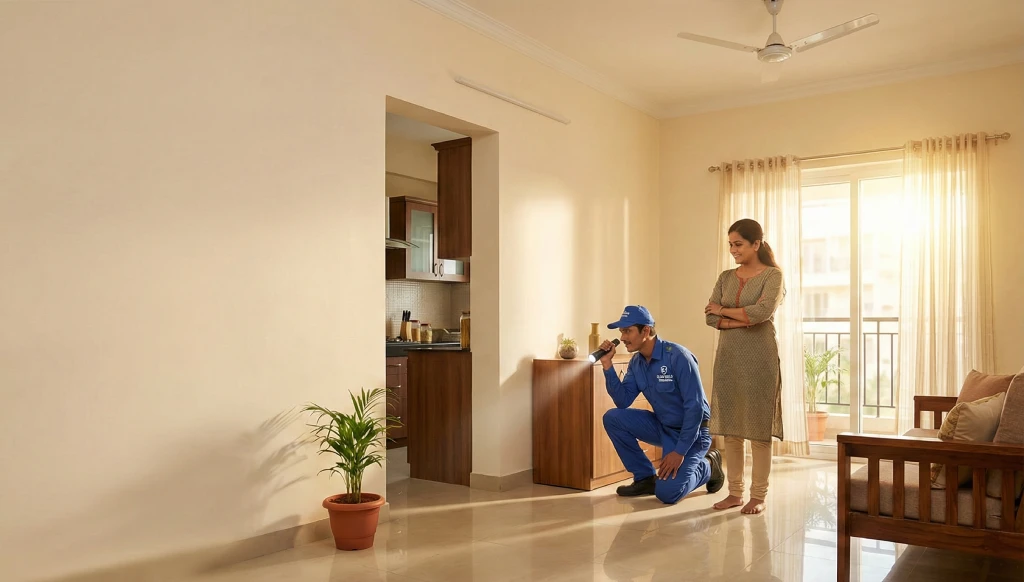
Pest control services in Kurukshetra for homes, sarovar-adjacent properties, KU campus belt & pilgrimage accommodation. Termites, cockroaches, bed bugs, rodents & mosquitoes. Free inspection, warranty. Call PestEnd.
Fill form to get a call back in 10 mins
Customized solutions for Kurukshetra's climate and pest problems.
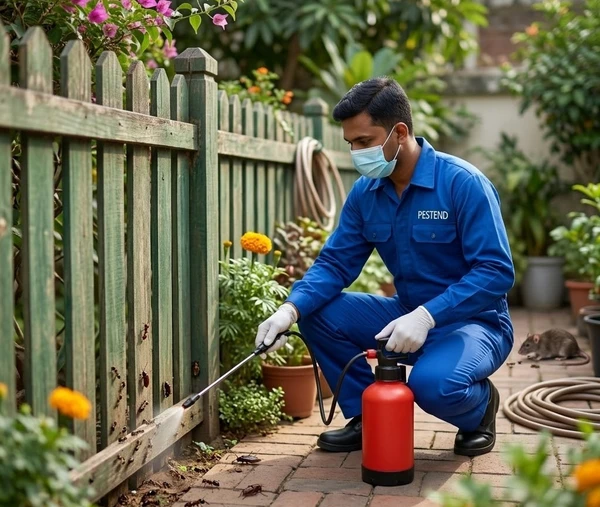
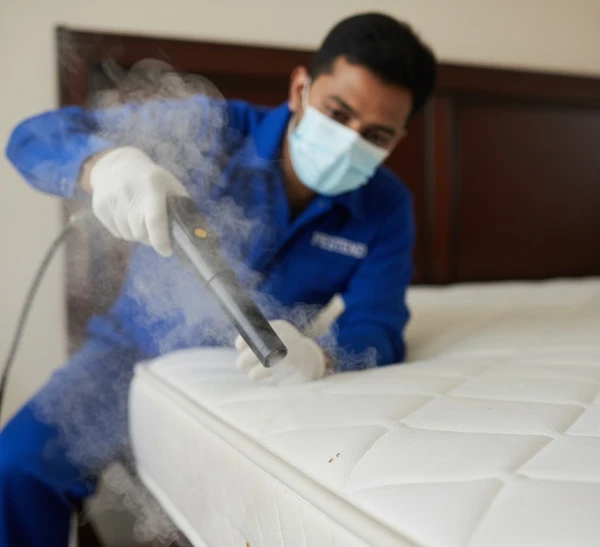
""Dharmashala near Sthaneshwar — bed bugs every year after Gita Jayanti. Sprayed twice, came back within weeks. PestEnd heat treatment done on all 12 rooms in one day after the event. Nothing returned through the next pilgrimage season. The heat treatment was the difference — they explained why spray alone doesn't finish it.""
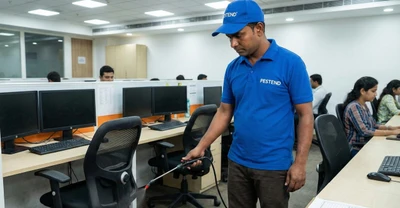
""Staff quarter flat — cockroaches in the kitchen every monsoon. PestEnd gel treatment, 40 minutes, no smell, no prep. Gone next morning. Still clear 4 months later. Very clean, professional work. Price matched the quote.""
"Ground-floor house near the paddy fields — rodents every October like clockwork. PestEnd sealed the compound drainage channel gaps before harvest this year. October and November came and went with nothing. Properly fixed for the first time.""
Brahma Sarovar is one of the largest sacred tanks in India. Sannihit Sarovar is beside it. Both are permanent water bodies in the heart of Kurukshetra city — they don't drain between seasons, they don't run dry in April, they hold water year-round because that is their purpose.
For Kurukshetra residents living near the sarovars, that permanence has a direct consequence. Year-round standing water in an urban zone means year-round mosquito breeding. Properties near the Brahma Sarovar perimeter, along the Sannihit corridor, and in the residential belt around the pilgrimage zone deal with mosquito pressure in November and December that the city's drier inland zones don't experience. Municipal fogging around the sarovars is done, and done again, and the problem resets within days — because the breeding source is the water itself, which is never treated with larvicide.
That's the first thing Kurukshetra has that no other Haryana city has.
The second is the pilgrimage cycle. Gita Jayanti draws hundreds of thousands. Surya Grahan during solar eclipses brings lakhs to Brahma Sarovar in a single day. Makar Sankranti, Somavati Amavasya — Kurukshetra hosts pilgrimage events of a scale that few Indian cities outside Varanasi and Prayagraj can match. That scale means temporary accommodation — dharamshalas, tent camps, guesthouses — cycling rapidly through pilgrims who travel from across India. Bed bug reintroduction at this scale and frequency is unlike any other Haryana city.
The third is paddy. Kurukshetra district is among Haryana's top paddy-producing zones — and paddy means kharif standing water from June to October in the fields surrounding the city. That standing water is the mosquito breeding source that no city-centre fogging reaches. And paddy harvest drives field rats inward every October, predictably, from the agricultural fringe into the residential edge.
Pest control ↗ in Kurukshetra means knowing the sarovars, the pilgrimage calendar, and the paddy season.
Brahma Sarovar and Sannihit Sarovar perimeter — the residential and dharmashala belt around the sacred tanks — the most sustained mosquito zone in the city. Year-round water, year-round breeding. Properties within 500m deal with mosquito pressure in dry-season months when inland Haryana gets a break. Fogging without larvicide gives 5–7 days of relief before the sarovar-adjacent breeding replenishes the adult population. For this zone, larvicide in every accessible standing water source around the perimeter combined with fogging is the only approach that produces results that hold week on week.
Pilgrimage dharamshalas, guesthouses, and event accommodation belt — the accommodation fabric around the sarovars, near Sthaneshwar Mahadev, along the Brahma Sarovar ghat road, and in the Thanesar bazaar area cycles rapidly during major pilgrimage events. Bed bugs establish in this accommodation through pilgrim-carried luggage and shared bedding. One infested mattress from a single pilgrim is enough to seed multiple rooms. Without heat treatment that clears eggs alongside adults, the problem resets with the next wave of pilgrims. For property owners on the pilgrimage belt, treating all rooms in a single visit — not just the reported rooms — is the only lasting approach.
Kurukshetra University campus residential belt — KU is one of Haryana's oldest universities with a large campus, student hostels, staff quarters, and a significant residential population. High-turnover student accommodation means bed bugs spread silently across shared rooms before any single occupant identifies the source. The institution's semester cycle means fresh introductions at the start of each term.
Paddy field fringe — agricultural transition zones on the Pehowa Road, Shahabad Road, and Ambala Road edge — kharif paddy standing water from June to October, harvest-season field rat displacement in October–November. The paddy belt here is more extensive than Rohtak or Sonipat — Kurukshetra district's paddy cultivation is among Haryana's highest. Ground-floor properties on the 200–500m fringe see predictable harvest-season rodent pressure that sealing before October prevents more effectively than managing an active influx.
Thanesar old city and heritage construction belt — the historic town of Thanesar, with its Mughal-era construction and dense bazaar fabric, has older residential properties sharing drainage infrastructure across entire market rows. Cockroaches in the Thanesar market kitchens follow the shared-drainage collective pattern. Some of the older havelis here have original woodwork with termite histories that pre-date modern treatment.
Pipli and the vegetable market corridor — Pipli market on NH-44 is one of North India's largest wholesale vegetable markets. Food waste at market scale generates rodent and cockroach populations that cycle outward into the adjacent residential areas on the Pipli–Kurukshetra stretch consistently.
Termites Thanesar old city haveli, new residential flat on Pehowa Road fringe, KU campus staff quarter — approach matches the structure. For old Thanesar construction with original woodwork, we treat the full foundation perimeter without drilling through heritage surfaces. For paddy-fringe properties on alluvial North Haryana soil with elevated sub-surface moisture during kharif season, complete perimeter coverage at correct depth is essential. For new construction under 3 years old on the Ambala and Shahabad Road corridors, pre-flooring soil treatment is still accessible — significantly cheaper than post-possession drilling.
Cockroaches Thanesar bazaar lane kitchens, KU campus staff colony residential flats, commercial kitchens near the Brahma Sarovar market belt — odorless gel bait placed in exact harbourage points: pipe chases, behind modular panels, wall-floor joints. No prep. No smell. No vacating. Active next morning. Holding 3 months later. For Pipli market-adjacent properties with food-waste re-supply pressure, drainage-pipe entry sealing after gel treatment is what stops the external cycling from resetting results within weeks.
Mosquitoes Brahma Sarovar and Sannihit Sarovar perimeter zones, paddy field fringe during kharif season, canal-adjacent low areas on the city's agricultural edge — larvicide in every accessible standing source before fogging. For sarovar-adjacent properties, fogging alone gives 5–7 days before the permanent water body replenishes the population. Source treatment first, fogging second. Both together holds.
Bed Bugs Pilgrimage dharamshalas and guesthouses near Brahma Sarovar and Sthaneshwar Mahadev, KU campus hostels, transit accommodation near Kurukshetra Junction — pilgrimage-scale reintroduction is unlike standard city reintroduction. Heat treatment combined with targeted chemical application clears adults and eggs. Standard spray relocates them. For dharamshalas and event accommodation: treat all rooms in one visit, not just reported rooms — bed bugs spread room to room faster than pilgrim turnover rate in a major event week.
Rodents Paddy belt fringe ground floors on Pehowa, Shahabad, and Ambala Road edges, Pipli market adjacent residential units, Thanesar old city compound walls with original drainage gaps — harvest-season sealing before October is the smart call. We bait, locate every real entry point, seal with material they cannot gnaw. Pre-harvest sealing costs a fraction of managing an active November infestation.
General Pest Control Ants, silverfish, spiders, lizards — one visit covers all. April pre-monsoon is the right timing. Kurukshetra's paddy cultivation and sarovar adjacency make pre-monsoon treatment more important than in inland Haryana cities without permanent water bodies.
|
Service |
1 BHK |
2 BHK |
3 BHK |
|
₹999 |
₹1,299 |
₹1,599 |
|
|
Termite Treatment |
₹3,500 |
₹5,500 |
₹7,000 |
|
Bed Bug Treatment |
₹1,499 |
₹2,599 |
₹3,499 |
|
₹999 |
₹1,899 |
₹2,599 |
|
|
General Pest Control |
₹899 |
₹1,299 |
₹1,599 |
|
Rodent Control |
₹1,500 |
₹2,500 |
₹3,000 |
Large dharamshalas, pilgrimage-belt accommodation complexes, KU institutional buildings, Pipli market commercial units, and Thanesar heritage properties quoted separately after inspection. Price confirmed before treatment — nothing added on the day.
Call PestEnd directly — number at the top of this page. No hold queue, no call centre. We pick up, confirm your locality, and book within the same call. Most inspections happen within 24 hours.
For pest control in Kurukshetra contact number — the direct line at the top of this page is the fastest way to reach us, any day of the week.
We serve: Brahma Sarovar belt · Sannihit Sarovar area · Thanesar · Kurukshetra town · KU Campus zone · Sector 13 · Sector 17 · Pipli · Pehowa Road · Shahabad Road · Ambala Road corridor · Sthaneshwar area · Kurukshetra Junction belt · Ladwa Road · Ismailabad · Shahabad Markanda · Babain · Pehowa town and surrounding localities.
Not listed? Call — confirmed in minutes.
Free inspection first. Within 24 hours. Sarovar-adjacent dharmashala, KU campus staff quarter, or paddy-fringe new flat — inspection depth suits the property. We assess infestation level, entry points, permanent water body and agricultural external pressure. Free. No commitment.
Fixed price after inspection. Confirmed before treatment begins. Nothing changes on the day.
Treatment. We bring all equipment. Standard flats done in 1–2 hours. Exact re-entry timing per room before we leave.
Follow-up at 7–10 days. Activity in the warranty window? We return. No charge.
Book your free inspection — no pressure, just find out what's actually there and what it costs to fix.