Pest control services in Agra for homes, Taj Ganj belt, leather industry areas, Cantt quarters & offices. Termites, cockroaches, bed bugs, rodents & mosquitoes. Free inspection, transparent pricing. Call PestEnd.
Fill form to get a call back in 10 mins
Customized solutions for Agra's climate and pest problems.
""Running a guesthouse near the Taj — bed bugs returning after every peak tourist season despite spraying between groups. PestEnd heat treatment on all 14 rooms in one day after the winter season. Nothing returned through the entire spring and summer tourist rush. Completely fixed. The all-rooms-at-once approach was the key.""
""House near the Yamuna side — termites in the main room skirting and one external wall. Two previous treatments, both wore off before the next monsoon. PestEnd explained the Yamuna alluvial soil moisture issue and treated the full foundation perimeter. Nine months clear. Longest it has ever held.""
""Old bungalow — termites in the teak door frames and one floor section, recurring annually despite treatment. PestEnd treated the full perimeter including the garden-facing soil channels on both sides. Explained the root movement issue clearly. Eight months clear. First time the annual treatment has actually held.""
Agra is India's most visited city for foreign tourists. Seven million visitors annually — maybe more in peak season. Taj Ganj, Fatehabad Road, Sadar Bazaar, the heritage hotels and the ₹500-a-night guesthouses all cycle through enormous tourist volumes. Luggage arrives from every country. Rooms turn over daily.
That's a bed bug reintroduction situation of a scale no other UP city deals with.
But the tourism corridor is just one dimension of Agra's pest geography. The Yamuna is the second. The river runs along the Taj Mahal's northern edge and continues past Agra Fort and through the city's eastern residential stretches. The Yamuna floodplain soil — in the areas near Yamuna Kinara Road, Balkeshwar, the residential zones adjacent to the river — holds moisture at foundation depth for months past the monsoon season. It's the same alluvial moisture dynamic as every Yamuna-adjacent city, but in Agra it matters specifically because the floodplain reaches right into the middle of the city, not just the outskirts.
The third is leather. Agra is India's largest shoe and leather goods manufacturing centre. Nunhai and the surrounding leather belt have tanneries, dyeing units, finishing workshops — organic chemical waste, processing warmth, and organic residue in drainage channels that creates cockroach conditions persisting year-round. The residential areas adjacent to the leather belt deal with re-supply pressure from the processing corridor that is as consistent as any industrial estate in this series.
And the old city. Loha Mandi, Nai Ki Mandi, the lanes around the Jama Masjid and Agra Fort approach — dense Mughal-era construction, shared drainage infrastructure running through entire market blocks, properties that haven't had structural soil treatment in living memory.
Pest control ↗ in Agra means knowing the tourist corridor, the Yamuna floodplain, the leather belt, and the old city. Not just that it's famous for a monument.
Taj Ganj and Fatehabad Road tourist accommodation belt — the most active bed bug zone in Uttar Pradesh. Budget guesthouses, heritage havelis converted to homestays, mid-range hotels — all cycling through international and domestic tourist volumes year-round. One infested backpack from a single traveller seeds a room. One infested room seeds two adjacent rooms through shared plumbing before the property owner notices. Without heat treatment that clears eggs alongside adults, the problem resets with every fresh group of guests. For tourism-corridor property owners, treating all rooms in a single visit after a detected infestation — not just reported rooms — is the only approach that holds through the next tourist season.
Yamuna floodplain residential belt — Yamuna Kinara Road, Balkeshwar, Agra Fort area, Kailash Nagar — the Yamuna's alluvial soil in Agra's central residential belt stays at elevated sub-surface moisture for most of the year. Termites in properties near the river bank and the low-lying floodplain stretches stay active well into winter. The Yamuna-side residential zones see more persistent termite activity through dry months than the city's western elevated zones like Kamla Nagar or Sikandra.
Leather manufacturing belt — Nunhai, Sanjay Place, and the industrial processing corridor — tannery organic waste, dyeing chemical residue, processing warmth from finishing operations. Cockroaches in the residential areas adjacent to the leather belt are sustained by drainage channel food residue from the processing operations. They stay active year-round, including through Agra's cold December–January winters when standard residential kitchens get seasonal relief. The tannery drainage re-supply is the reason treatment alone, without pipe-entry sealing, keeps fading within weeks on this belt.
Old city — Loha Mandi, Nai Ki Mandi, Jama Masjid belt, Kinari Bazaar — Mughal-era construction, shared boundary walls, collective drainage infrastructure running through rows of adjoining properties. Cockroaches in the old bazaar kitchens have shared-drainage access across multiple adjacent properties. Some of the older havelis in this belt have original woodwork with established termite access that pre-dates any modern treatment. Treating one property in a shared-wall row gives temporary results without addressing the common pipe infrastructure.
Agra Cantonment — one of India's largest military cantonments — institutional housing with colonial-era bungalows, large compound grounds with mature tree cover, original wooden floors and door frames in officer quarters. The same pattern as every major cantonment in this series: garden root systems reopening treated soil barriers annually, consistent termite recurrence, CPWD-era plumbing with aged sealing. Large compound grounds also create consistent rodent access from the open areas adjacent to residential structures.
Sikandra, Dayal Bagh, and Civil Lines — planned residential development from the colonial and post-independence era. Government bungalows, institutional housing, newer planned colonies. Aging construction with original woodwork in some sections, growing residential expansion in others. The Sikandra area's proximity to the Agra Bypass and new expressway belt brings new construction and its associated pre-possession termite profile.
Khandari, Kamla Nagar, and Agra-Lucknow Expressway new residential belt — Agra's fastest-growing residential corridors. Fresh construction on Yamuna alluvial soil, 3–8 year old societies. Pre-possession termite treatment is rarely standard in these developments. Year 2 to 3, the first signs appear — and in Yamuna basin alluvial soil, they appear earlier than in drier UP cities.
Termites Yamuna floodplain property near Balkeshwar, Agra Cantonment officer quarter, new Khandari Road society flat, old city Loha Mandi haveli — approach matches the structure. For Yamuna floodplain properties in Agra's central and eastern residential belt, complete perimeter coverage at correct injection depth is essential — alluvial Yamuna soil retains moisture significantly longer than the drier western UP plateau. For Agra Cantonment with garden access and original colonial woodwork, we treat the full perimeter including garden-adjacent soil pathways that root systems reopen seasonally. For old city construction, we work at foundation soil level without drilling through original Mughal-era masonry or carved surfaces.
Cockroaches Leather belt residential kitchens in Nunhai and Sanjay Place, old city bazaar lane kitchens near Kinari Bazaar and Loha Mandi, commercial kitchens on Fatehabad Road and Sadar Bazaar — odorless gel bait in exact harbourage points: pipe chases, behind modular panels, wall-floor joints. No prep. No smell. No vacating. Active next morning. Holding 3 months later. For leather belt properties with tannery drainage re-supply, pipe-entry sealing after gel treatment is what makes results hold through the winter activity period.
Mosquitoes Yamuna riverside low-lying pockets near Yamuna Kinara Road and Balkeshwar, paddy and sugarcane field edges on the Agra-Mathura Road agricultural fringe, open plots in new Khandari and Kamla Nagar societies — larvicide in every accessible standing source before fogging. Agra's Yamuna bank low-lying zones create breeding conditions that persist into October and November. Source treatment first, fogging second, both together holds.
Bed Bugs Taj Ganj tourist guesthouses, Fatehabad Road heritage homestays, budget hotels near Agra Cantonment Station, transit lodges near Agra Fort railway station — tourism-scale reintroduction. Heat treatment combined with targeted chemical application clears adults and eggs. Standard spray relocates them. For tourist-belt accommodation properties: treating all rooms in one visit, not just reported rooms, is the only approach that produces results lasting through the next tourist season.
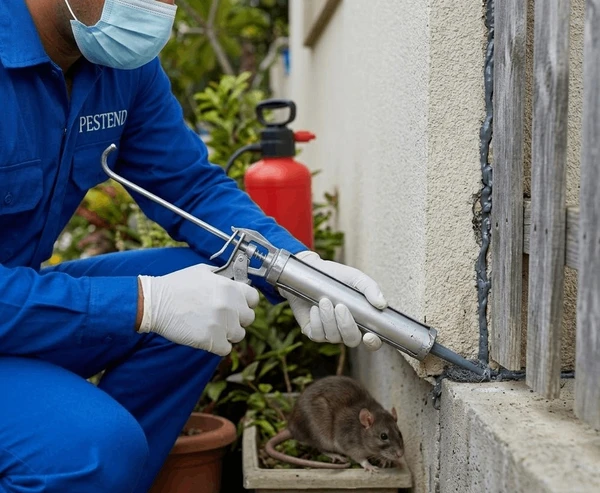
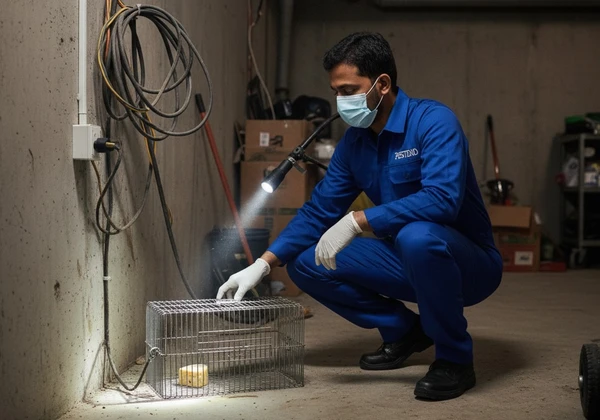
Rodents Agra Cantonment grounds-access compound walls, old city Loha Mandi properties with kuccha drainage gaps, leather belt industrial-edge residential units with processing corridor drainage access — entry point sealing is the critical step. We bait, map every real gap, seal with material they cannot gnaw. For leather belt adjacent properties, the processing corridor provides a consistent food source that makes sealing non-negotiable.
General Pest Control Ants, silverfish, spiders, lizards — one visit covers all. Pre-monsoon in April is the right timing. Agra's Yamuna basin position means the monsoon onset brings rapid pest activation — earlier pre-treatment captures more benefit.
|
Service |
1 BHK |
2 BHK |
3 BHK |
|
₹999 |
₹1,299 |
₹1,599 | |
|
Termite Treatment |
₹3,500 |
₹5,500 |
₹7,000 |
|
Bed Bug Treatment |
₹1,499 |
₹2,599 |
₹3,499 |
|
₹999 |
₹1,899 |
₹2,599 | |
|
General Pest Control |
₹899 |
₹1,299 |
₹1,599 |
|
Rodent Control |
₹1,500 |
₹2,500 |
₹3,000 |
This is the pest control in Agra cost for standard residential properties. Agra Cantonment bungalows, Taj Ganj heritage accommodation complexes, leather belt industrial-adjacent units, and old city Mughal-era havelis quoted separately after inspection. Price confirmed before treatment — nothing added on the day.
Call PestEnd directly — number at the top of this page. No hold queue. We pick up, confirm your area, and book within the same call. Most inspections within 24 hours.
For pest control in Agra contact number — the direct line at the top of this page reaches us any day of the week.
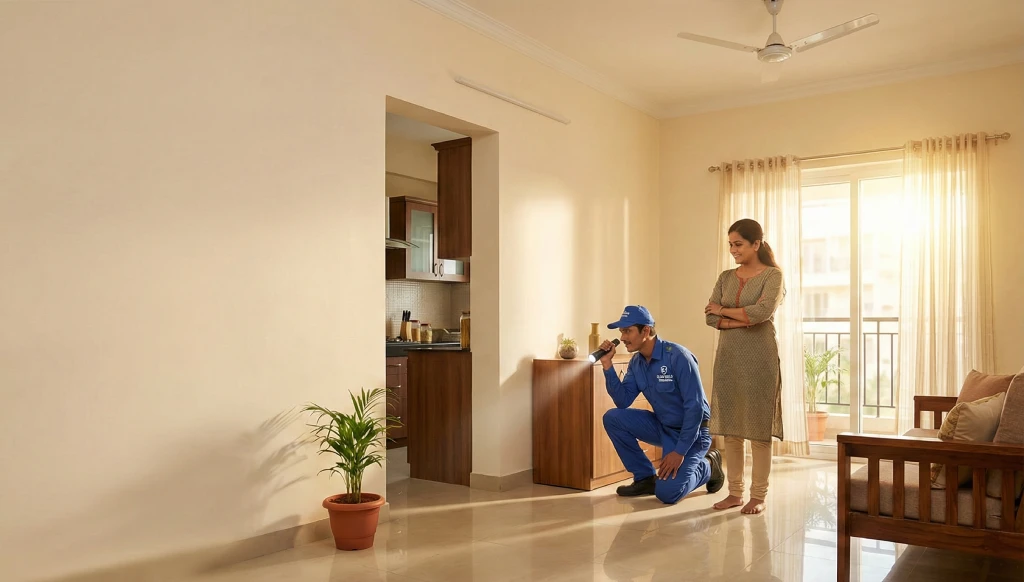
Free inspection first. Within 24 hours. Taj Ganj guesthouse, Yamuna floodplain flat, Cantonment bungalow — inspection depth suits the property. We assess infestation level, entry points, moisture conditions, tourist or industrial external pressure. Free. No commitment.
Fixed price after inspection. Confirmed before treatment starts. Nothing changes on the day.
Treatment. We bring all equipment. Standard flats done in 1–2 hours. Exact re-entry timing per room before we leave.
Follow-up at 7–10 days. Activity in the warranty window? We return. No charge.
Book your free inspection — no pressure, just find out what's actually there and what it costs to fix.